Skip to content

Supportive & detox treatments

At Verita Life, we believe cancer care should address more than the disease itself. Our supportive and restorative therapies focus on detoxification, resilience, recovery and wellbeing throughout your cancer journey.
Medically reviewed by Dr Abdulla El-Hossami, Group Chief Medical Officer. Last reviewed 2026-09-30.

01 / How it works

Supporting nutrition, comfort and function

Cancer treatment can be demanding on the whole body.

Chemotherapy and radiotherapy are powerful treatments designed to damage or destroy cancer cells, but they can also affect healthy cells and tissues. Depending on the treatment and the individual, patients may experience fatigue, reduced appetite, nausea, digestive problems, changes in blood counts, mouth and throat problems, skin reactions, pain, swelling, nerve problems and loss of strength.

Fatigue, in particular, is extremely common during cancer treatment. More than 80% of people receiving chemotherapy or radiotherapy experience cancer-related fatigue, and for some people it can continue for months after treatment has finished.

That’s why we believe Cancer care shouldn't stop at treating the tumour. It should also consider the person experiencing the treatment.


Sources: 1, 2, 3, 4

02 / Supportive approaches

Different forms of supportive care

Our therapies are selected according to your individual circumstances and may be considered before, during or after conventional cancer treatment.

  1. Nutrition & Education

    Nutrition, and education on the topic, is a key part of recovery, supporting the immune system and improving ongoing health. We provide all meals and snacks everyday from our on-site kitchen which allows our patients to focus purely on their treatment. Meals are based on a keto diet but balanced, nutritious and delicious. The food is predominantely organic and is also halal.

    A person in white gloves placing a plate of salad on a table next to a plate with two wraps
    Our chef delivering lunch to a patient at Verita Life, Bangkok.
  2. Organ Support

    This is a care-planning term rather than a single treatment. The proposed plan should name the clinical issue, such as a medicine-related concern or an abnormal test result, and the intervention being considered. It should not promise blanket protection of organs from cancer treatment.

    A nurse caring for a patient in a Verita Life treatment room
  3. Lymphatic Therapy

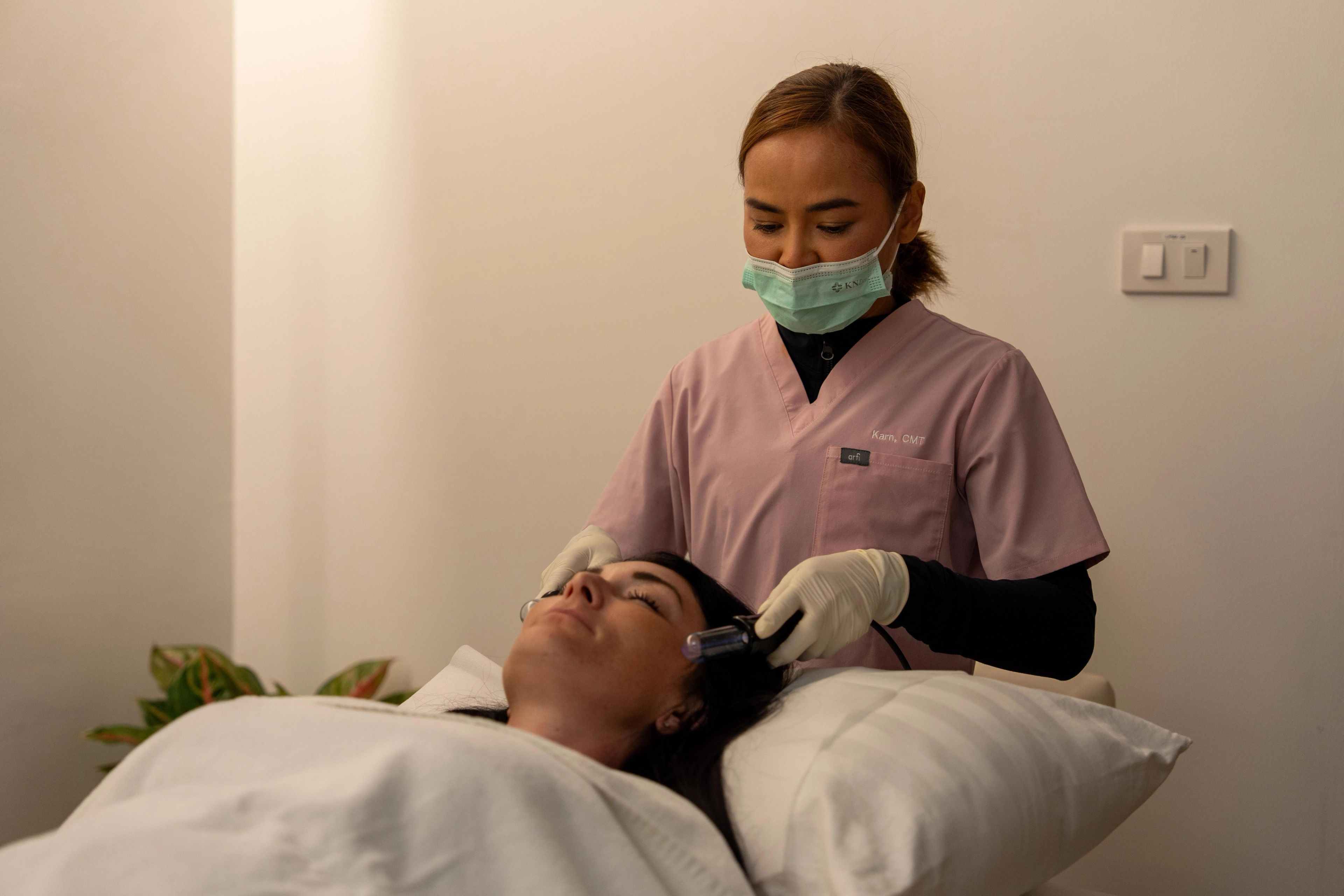
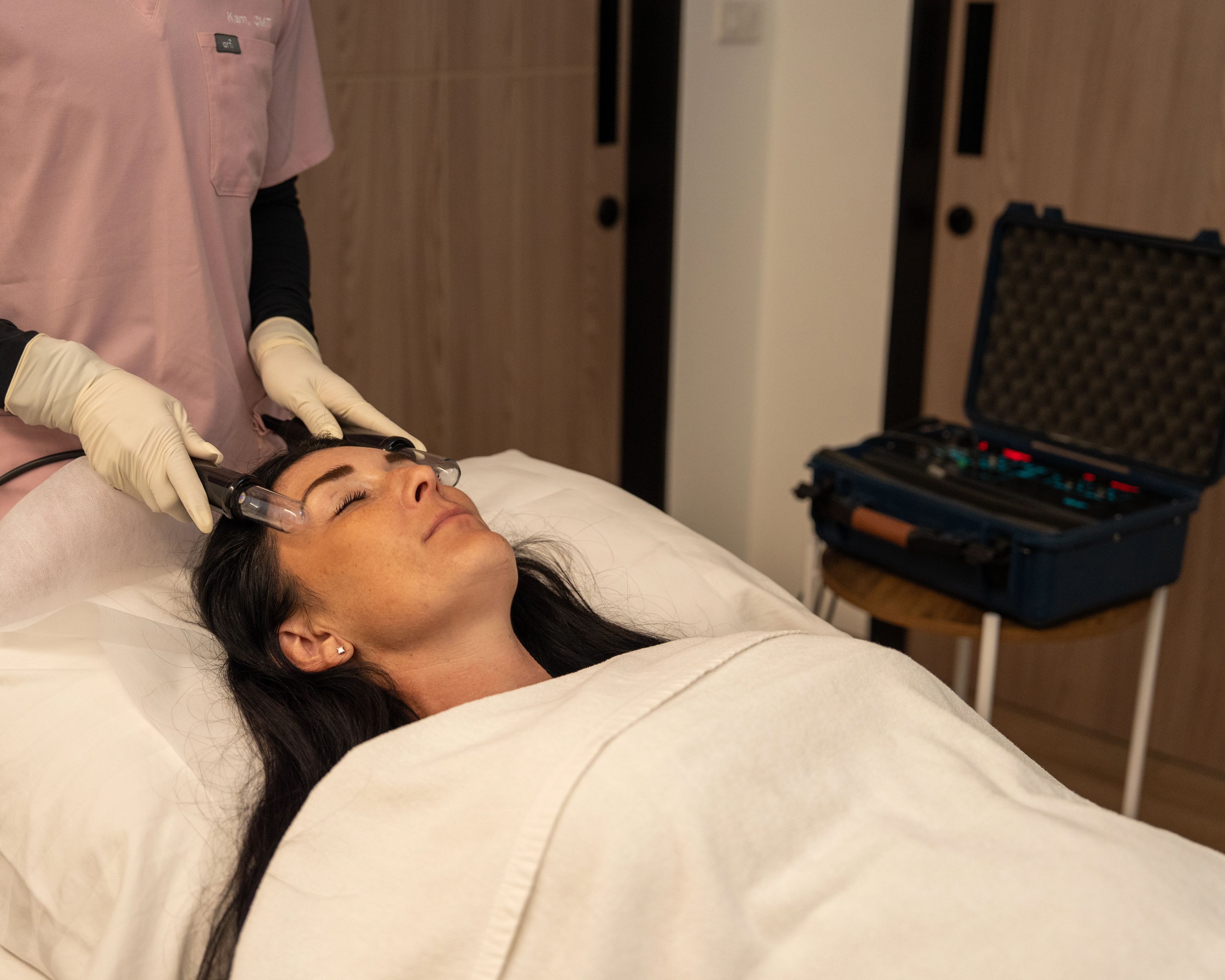
    Manual lymphatic drainage uses gentle techniques to help move lymph fluid when drainage is impaired. It may form part of lymphoedema care alongside compression, movement, and skin care. Its purpose is management of swelling, rather than removal of cancer or a general detox.

    Female patient lays back on a pillow, while a medical professional wearing a mask, gloves, and scrubs performs lymphatic drainage.
  4. Hyperbaric Oxygen Therapy

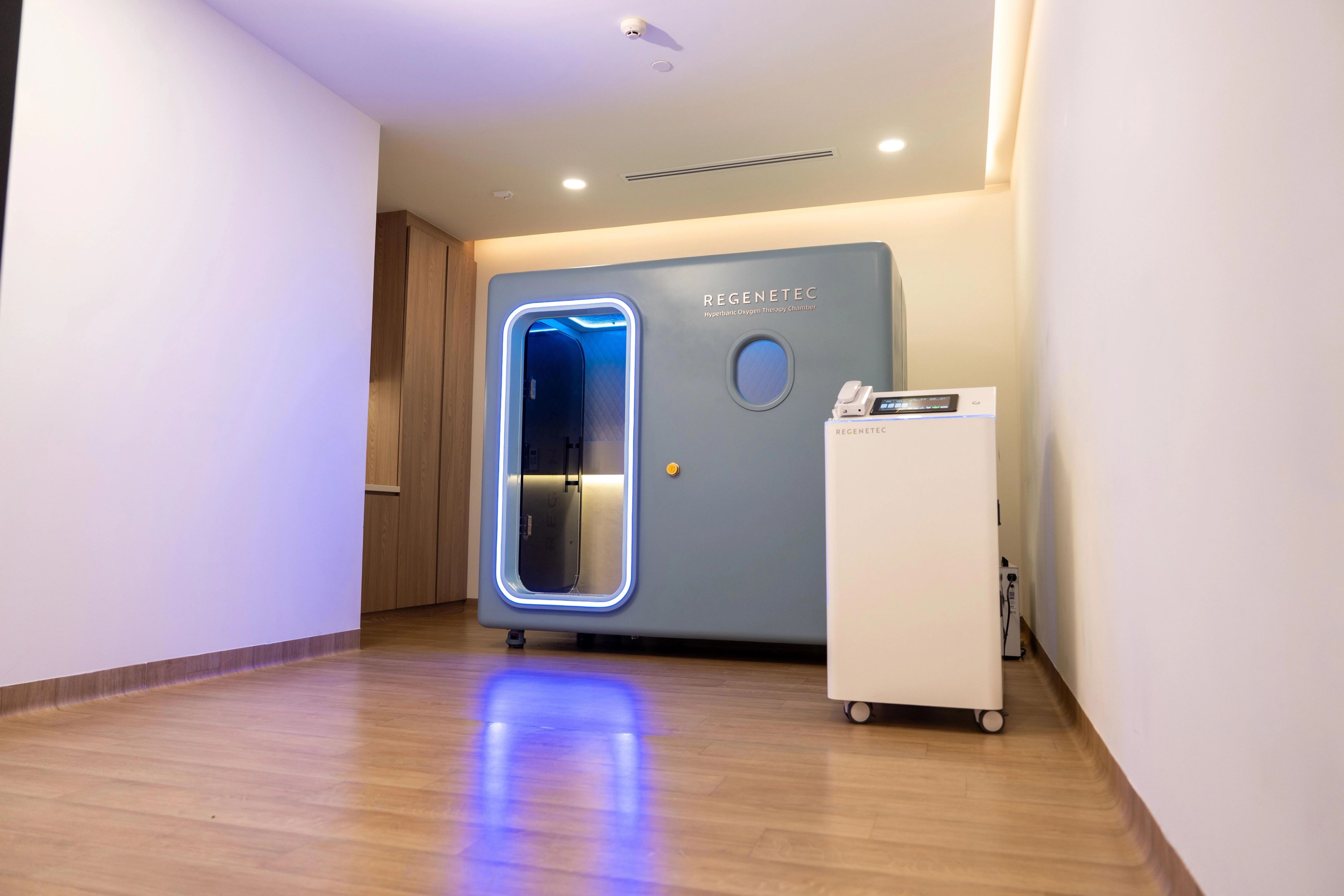
    This treatment involves breathing oxygen in a pressurised chamber. It can be used for selected tissue-healing problems, including some injuries after radiotherapy. That role is different from treating the cancer itself, and suitability depends on the condition and medical assessment.

    Blue HBOT machine with lights around the door and a small window, inside a room at a medical facility.
  5. Detoxification

    The term covers different procedures, so ask what is being proposed and why. Research does not establish a general benefit from commercial detox programmes. A specific medical problem requires an appropriate diagnosis and treatment rather than a routine cleanse.

    A nurse caring for a patient in a Verita Life treatment room
  6. Colonic Therapy

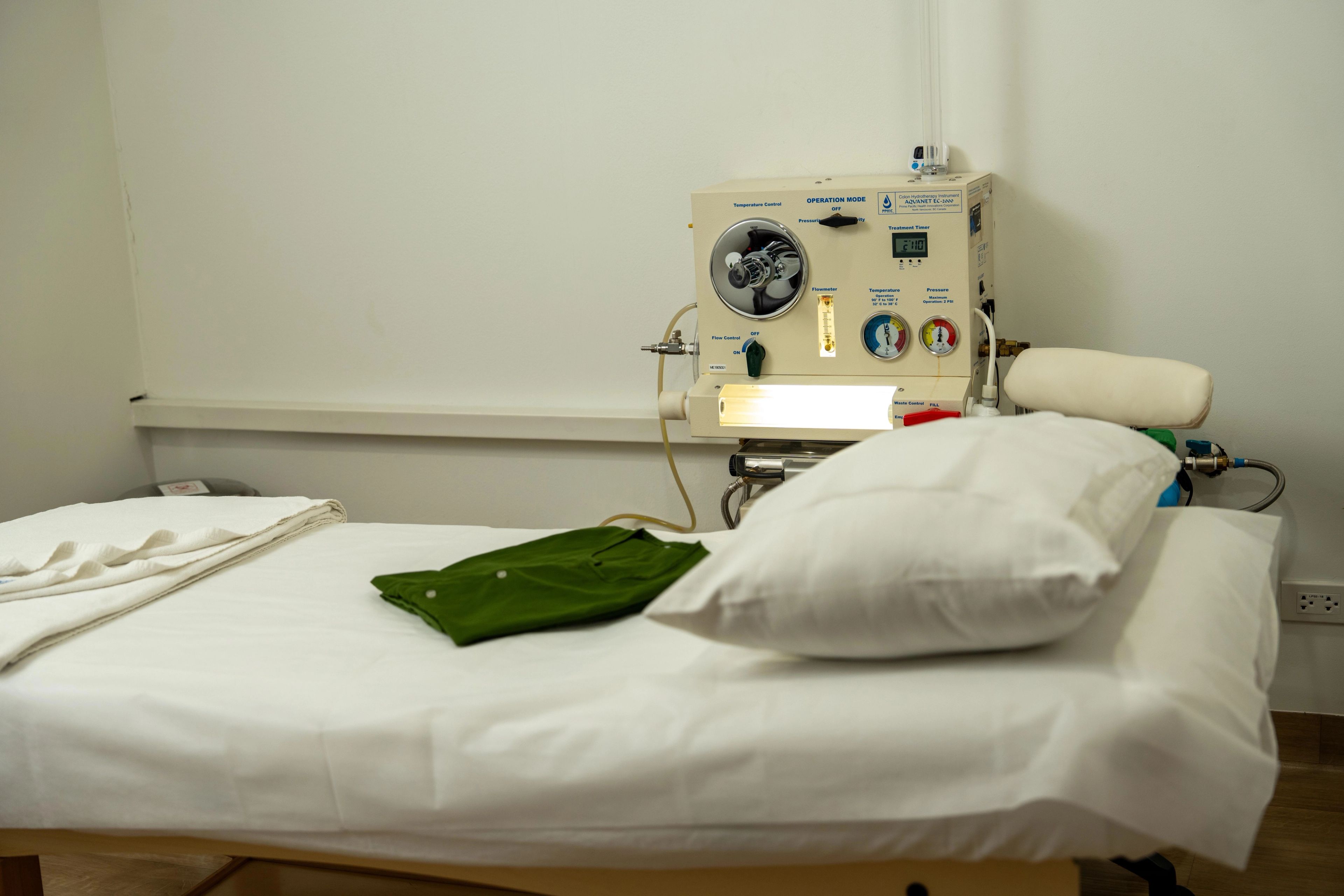
    Colonic irrigation flushes the bowel with fluid. It is different from medically indicated bowel preparation or treatment of constipation. Evidence does not establish a routine cleansing benefit during cancer care, and complications can be serious.

    Hospital bed with pillow in front of a colonic therapy machine in a medical environment.
  7. Chelation Therapy

    Chelation uses medicines that bind certain metals. It has a role in specific cases of confirmed metal poisoning. That use does not establish a benefit as a routine cancer detox treatment; the indication and risks need individual review.

    A nurse caring for a patient in a Verita Life treatment room

Sources: 3, 4

03 / Treatment planning

Planning your care

From treatment to recovery

Supportive care can be relevant at different points in the cancer journey.

During active treatment

The focus may be on maintaining nutrition, strength and comfort while managing the physical effects of chemotherapy, radiotherapy or other treatments.

After treatment

As active treatment ends, the focus can shift towards recovery - rebuilding strength, addressing persistent symptoms, supporting nutrition and helping patients return to normal activities.

Longer-term wellbeing

For some patients, supportive care can become part of a longer-term approach to physical health, nutrition, fitness and quality of life.

The goal is not to counteract or replace your cancer treatment. It is to support you through it.

04 / Our approach

Supportive care designed around you

At Verita Life we understand that no two cancer diagnoses are the same, and that’s why we place a strong emphasis on individualising all of our treatment plans as well as providing ongoing programme adaptation throughout your journey.

Some of our patients seek supportive and detox alongside conventional treatments, while others visit us to explore integrative approaches after previous therapies. We’re here to provide expertly selected support programmes to support our patients, built around their condition, priorities, and treatment status.

We promise to focus on maintaining clear communication, realistic expectations, and medically guided decisions within our calm and supportive clinical environment.

Sources: 3, 4

05 / Questions

Questions patients ask

Can supportive care be part of my current treatment plan?

Yes, absolutely. Supportive care can address a wide range of symptoms and practical needs alongside conventional cancer treatment. There is no single supportive treatment that is right for every patient. Our clinicians consider your cancer diagnosis, conventional treatments, medical history, current symptoms and overall health before recommending which supportive therapies may be appropriate.

Is a detox program necessary after chemotherapy?

Our approach is that cancer care should be personalised to the individual, so the answer to whether detox is required after chemo is not the same for everyone - different cancer treatments create different demands on the body as well as different side effects. Our approach to "detoxification" focuses on supporting normal physiological function and recovery rather than claiming to simply remove chemotherapy or other cancer treatments from the body.

Sources: 3

Patient sits in a black leather chair having a conversation with a medical professional in scrubs who is sitting in front of her.

Discuss your care with our team

A free consultation, no obligation.
Book a consultation

Supportive Cancer Therapies | Integrative Care | Verita Life