Skip to content

EBOO therapy

EBOO is an extracorporeal blood treatment in which blood is circulated through a specialised system and exposed to a controlled oxygen–ozone mixture before being returned to the circulation.
Medically reviewed by Dr Nopparat Suwannasuk (Dr Jan), Integrative Medicine Specialist. Last reviewed 2026-09-30.
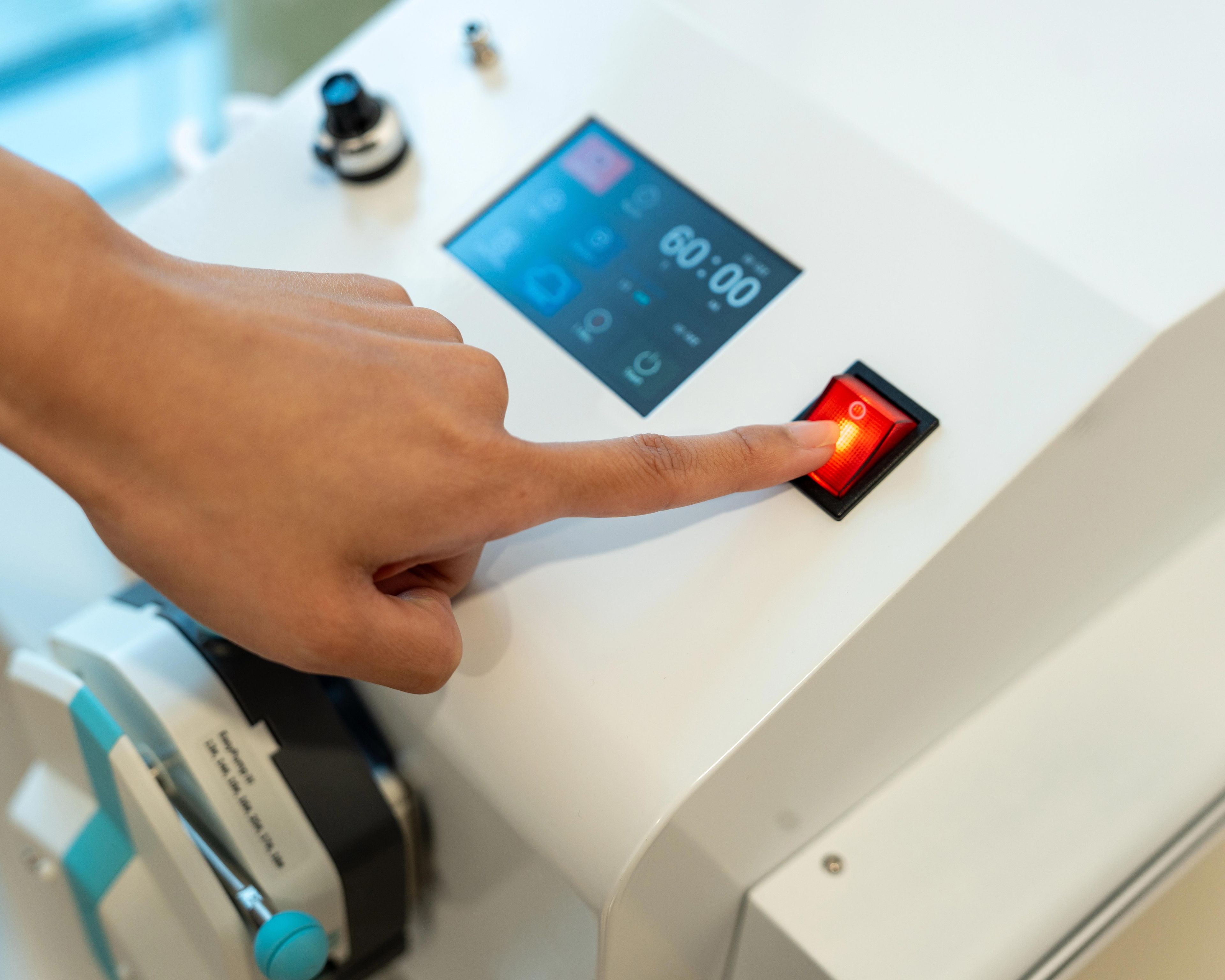
Index finger presses a red button on a EBBO machine.

01 / How it works

How EBOO works

EBOO (Extracorporeal Blood Oxygenation and Ozonation) temporarily circulates a portion of your blood outside the body through a specialised medical system.

As part of an integrative cancer-care programme, EBOO is considered a supportive therapy rather than a direct treatment for cancer. The aim is to support the body's physiological resilience and recovery alongside appropriate conventional cancer treatment and other supportive therapies.

Our clinicians assess each patient's medical history, current treatment and overall condition before determining whether EBOO is appropriate.

Sources: 1

02 / When it is considered

When this treatment may be considered

The biological effects being investigated include changes in:

  • Redox balance and antioxidant defences
  • Inflammatory signalling
  • Microcirculation and blood rheology
  • Oxygen delivery and utilisation
  • Cellular responses to oxidative stress

Sources: 2

03 / Your treatment session

What to expect

1. Blood is gently circulated outside the body
Blood is drawn through a sterile extracorporeal (outside the body) circuit, similar to other forms of blood-processing therapy.
2. The blood is exposed to oxygen and ozone
A carefully controlled oxygen–ozone mixture is introduced within the treatment system. Ozone reacts rapidly with components of the blood rather than remaining in the circulation as ozone gas. These reactions produce short-lived reactive molecules and lipid oxidation products that can act as biological signalling molecules.
3. A controlled oxidative signal is created
The brief exposure to ozone creates a controlled oxidative stimulus that may influence the body's own antioxidant and cellular signalling systems. Research has associated this with pathways including Nrf2, which regulates cellular antioxidant defences.
4. The treated blood is returned to the body
After treatment, the processed blood is returned to the circulation.

04 / Our approach

Ozone care designed around you

At Verita Life we understand that no two cancer diagnoses are the same, and that’s why we place a strong emphasis on individualising all of our treatment plans as well as providing ongoing programme adaptation throughout your journey.

Some of our patients seek ozone-focused support alongside conventional treatments, while others visit us to explore integrative approaches after previous therapies. We’re here to provide expertly selected support programmes to support our patients, built around their condition, priorities, and treatment status.

We promise to focus on maintaining clear communication, realistic expectations, and medically guided decisions within our calm and supportive clinical environment.

05 / Questions

Questions patients ask

Is this kidney dialysis?

No, EBOO uses an extracorporeal blood circuit (similar in appearance to dialysis) but it is not kidney dialysis. Rather than filtering waste from the blood, EBOO temporarily circulates blood through a system where it is exposed to a controlled oxygen–ozone mixture before being returned to the body.

06 / Sources

Sources and medical review

Medically reviewed by Dr Nopparat Suwannasuk (Dr Jan), Integrative Medicine Specialist. Last reviewed 2026-09-30.

  1. Extracorporeal blood oxygenation and ozonation: clinical and biological implications of ozone therapy, Di Paolo et al. (2005)
  2. Medical ozone: mechanisms, biological effects and clinical evidence—a narrative review, Lietz-Kijak et al. (2026)
Patient sits in a black leather chair having a conversation with a medical professional in scrubs who is sitting in front of her.

Discuss your care with our team

Talk with our medical team about your diagnosis, current treatment, and the options you are considering.
Book a consultation