Skip to content

Immune & cellular therapies

Immune and cellular therapies aim to strengthen the immune system and help it to recognise or act against cancer. Our goal is to build a coordinated treatment strategy around the patient's cancer rather than treating each intervention as a standalone therapy.
Medically reviewed by Dr Abdulla El-Hossami, Group Chief Medical Officer. Last reviewed 2026-09-30.
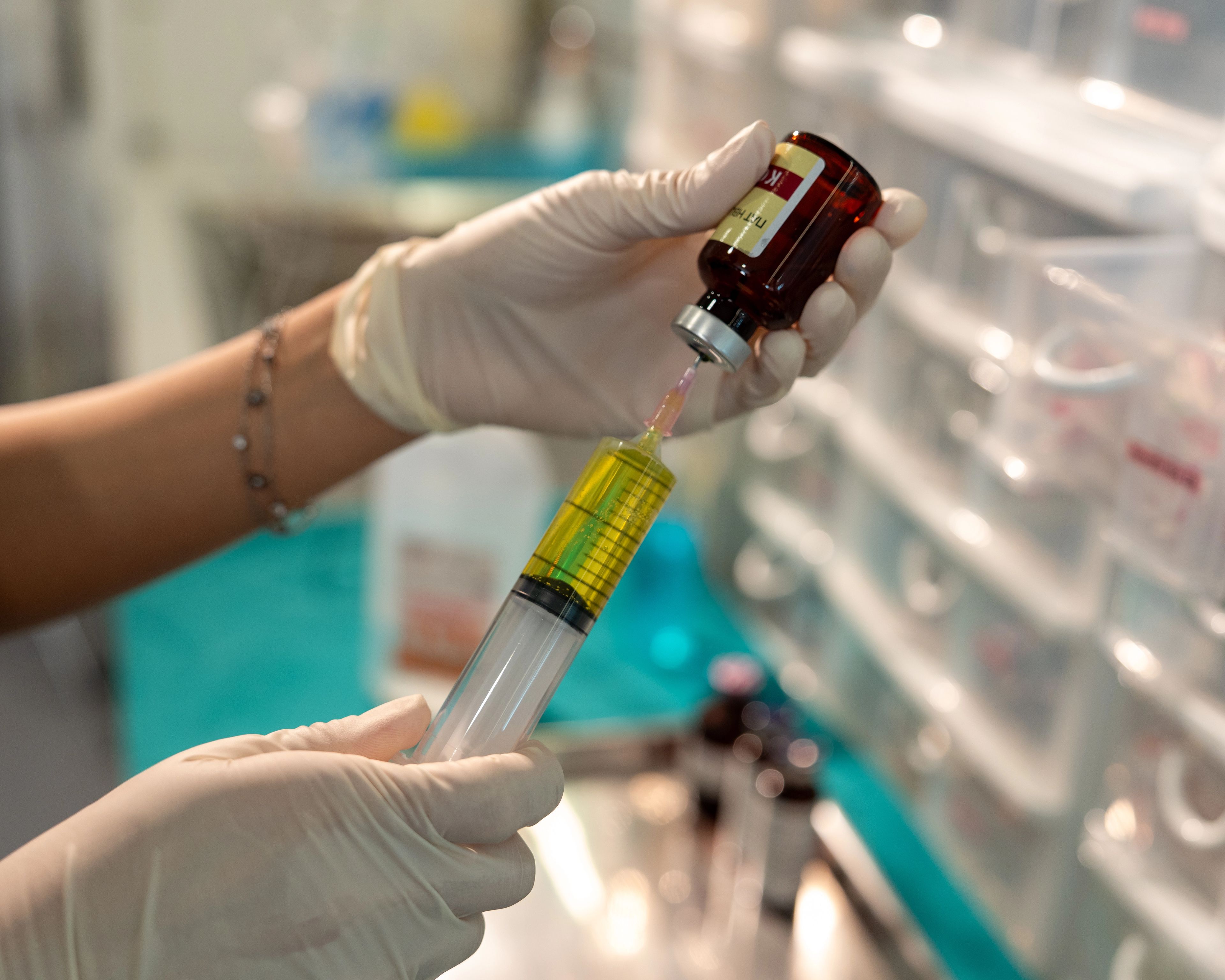
medical professional fills a syringe through a needle into a small glass pot of medicine.

01 / How it works

How the immune system recognises cancer

As Cancer cells originate from the bodies own cells, they can develop mechanisms to avoid detection, suppress immune responses and even make the tumour environment hostile to immune cells. Immunotherapy seeks to combat this, and is much more nuanced than simply increasing the number of immune cells or improving general wellbeing and includes:

Showing the immune system what to look for.

Dendritic cell vaccines can be prepared using information from the patient's cancer, like antigens. The dendritic cells then present those cancer markers to the immune system, helping activate cancer-specific T-cell responses. They can also interact with and activate NK cells. This can help create a more targeted, adaptive immune response rather than just stimulating general immunity.

Directly attacking the cancer.

Natural Killer (NK) cells are part of the body’s innate immune system. Unlike T-cells, they don't need to recognise certain antigens before acting - they can recognise cells showing signs of stress or abnormality and destroy them.

Releasing the immune system’s brakes.

Checkpoint inhibitors block some of the brakes that cancer exploits to hide from the immune system, allowing immune cells to remain more active against the cancer.


Sources: 1, 2

02 / Treatment options

Immune drugs and cell-based approaches

  1. Immunotherapy

    This is an umbrella term for treatments that act through the immune system. It includes medicines such as checkpoint inhibitors as well as cell-based approaches. Ask for the exact treatment name and why it is relevant to your diagnosis; the label alone does not describe a single protocol.

    A nurse caring for a patient in a Verita Life treatment room
    Clinical care at Verita Life
  2. Natural Killer Cell Therapy

    NK cells are immune cells that can recognise and kill some abnormal cells. Treatment research uses cells expanded or modified outside the body. The clinical evidence depends on the product and cancer type; results from genetically engineered CAR-NK cells cannot be assumed for a different NK preparation.

    A nurse caring for a patient in a Verita Life treatment room
    Clinical care at Verita Life
  3. Dendritic Cell Therapy

    Dendritic cells help present tumour-associated markers to the immune system. Treatment vaccines seek to use this role to stimulate a response. How the cells are prepared and which markers they present affect the treatment, and an immune response does not necessarily translate into cancer control.

    A nurse caring for a patient in a Verita Life treatment room
    Clinical care at Verita Life

Sources: 1, 2, 3

03 / Treatment planning

Planning your care

Comprehensive patient evaluation

We will review your diagnosis, treatment history, immune health, and overall condition before we recommend the most appropriate therapy options.

Therapies guided by individual needs

Every single one of our programmes is developed according to cancer type, treatment stage, current therapies, and your wellbeing priorities.

Monitoring and programme adjustment

Our care plans are regularly reviewed and adapted to ensure the therapies we provide remain appropriate throughout treatment.

04 / Our approach

Immune & cellular treatment designed around you

At Verita Life we understand that no two cancer diagnoses are the same, and that’s why we place a strong emphasis on individualising all of our treatment plans as well as providing ongoing programme adaptation throughout your journey.

Some of our patients seek immunotherapy and cellular support alongside conventional treatments, while others visit us to explore integrative approaches after previous therapies. We’re here to provide expertly selected support programmes to support our patients, built around their condition, priorities, and treatment status.

We promise to focus on maintaining clear communication, realistic expectations, and medically guided decisions within our calm and supportive clinical environment.

05 / Evidence

What does the evidence show?

Sources: 1, 2, 3

06 / Questions

Questions patients ask

Are cellular therapies and immunotherapy the same thing?

No, certain cellular treatments such as NK Cells and Dendritic cells are types of immunotherapy but how they work differs and they all have different purposes. Part of the reason they are an exciting area for cancer treatment is the way they can be combined together. Immunotherapy is now part of conventional treatment for many types of cancer, whereas our approach to combine together with the cellular treatments is more Integrative.

Is NK-cell therapy the same as CAR-NK therapy?

No. NK cells are natural cancer-fighting immune cells found within our bodies. CAR-NK cells are NK cells that have been genetically engineered with an additional "targeting system" to recognise a particular cancer. At Verita Life, we currently only work with natural NK cells.

Sources: 3, 4

Patient sits in a black leather chair having a conversation with a medical professional in scrubs who is sitting in front of her.

Discuss your care with our team

A free consultation, no obligation.
Book a consultation