

Cancer treatment and surgery can sometimes cause swelling, fluid accumulation, and changes in the lymphatic flow. At Verita life, we provide Lymphatic Therapy as a supportive treatment that has been designed to encourage lymphatic drainage and encourage healthy fluid movement.
Lymphatic therapy
Lymphatic care can help manage swelling caused by impaired lymph drainage. In cancer care, this may follow surgery, radiotherapy, or other disruption of the lymphatic system.
Medically reviewed by Dr Nopparat Suwannasuk (Dr Jan), Integrative Medicine Specialist. Last reviewed 2026-09-30.
01 / Overview
About Lymphatic Therapy
02 / How it works
How Lymphatic Therapy works
The lymphatic system is made up of a network of vessels, tissues, and organs involved in moving lymph around the body. When your lymphatic flow becomes congested or blocked, the fluid can accumulate in your tissues and cause swelling and discomfort.
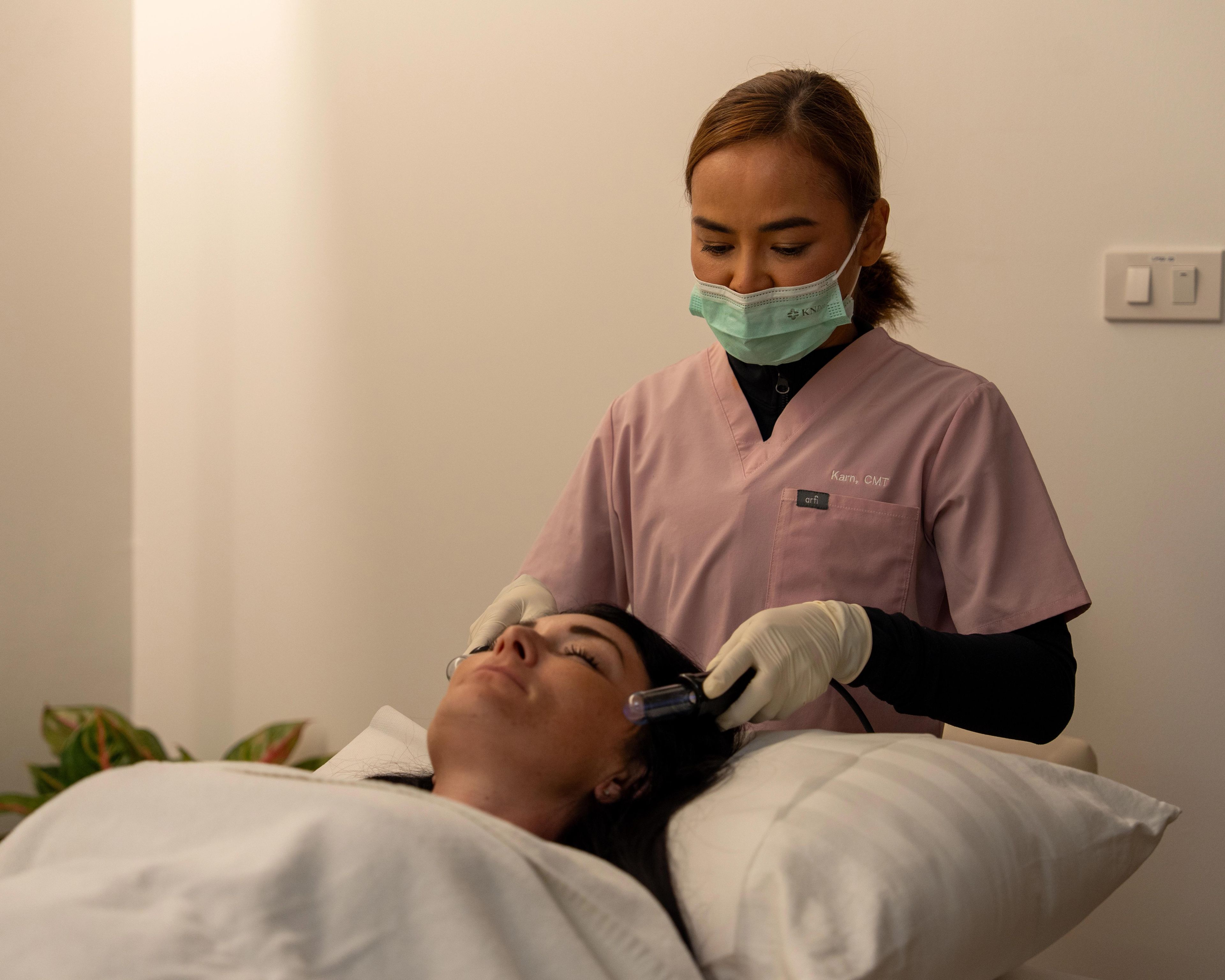
At Verita Life, our Lymphatic Therapy focuses on encouraging the movement of lymphatic fluid throughout your entire body with specialised drainage techniques. Our approach focuses on working with deeper lymphatic channels, rather than traditional superficial massage.
Sources: 1
03 / When it is considered
When this treatment may be considered
Lymphatic Therapy may be considered for patients who are experiencing lymphedema or fluid build up usually caused by conventional cancer care, surgery, and other conditions. At Verita Life, the majority of our Lymphatic Therapy patients are people who have experienced lymphatic congestion following lymph node removal, chemotherapy, radiation, trauma, or post-operative complications.
Some of the most common symptoms associated with lymphedema can include:
- Swelling of the arms and legs
- A heavy or tight feeling in the arms, legs, or around the lymph nodes.
- Restricted movement
- Recurring infections
- Changes or hardening of the skin
Sources: 1
04 / Your treatment session
What to expect
- Symptoms Assessed
- Some of the most common symptoms associated with lymphedema can include: Swelling of the arms and legs; Heavy or tight feeling in the arms, legs, or around the lymph nodes; Restricted movement; Recurring infections; Changes or hardening of the skin
- Clearing
- Clearing focuses on preparing the lymphatic system so that fluid is able to move more freely and effectively.
- Reabsorption
- Reabsorption uses gentle movements to encourage fluid movement away from the affected area.
05 / Care at Verita Life
Your care at Verita Life
Lymphatic Treatment from Verita Life involves specialised massage and drainage techniques that are designed around the areas where the patient requires the most support. Your medical professional will know about your individual needs and medical condition before they determine the best approach for your sessions
06 / Questions
Questions patients ask
Is lymphatic drainage a deep massage?
No, lymphatic drainage is not a deep massage. Manual Lymphatic Drainage (MLD) is an exceptionally gentle, light-touch therapy designed to stimulate fluid movement rather than manipulate muscle tissue.
Is Lymphatic Therapy a cancer treatment?
Lymphatic Therapy is used to support cancer treatment, rather than replace primary cancer treatment.
07 / Sources
Sources and medical review
Medically reviewed by Dr Nopparat Suwannasuk (Dr Jan), Integrative Medicine Specialist. Last reviewed 2026-09-30.
08 / Articles and resources
Articles and resources

Video guide
Electro lymphatic therapy explained
A short animation explaining electro lymphatic therapy (ELT), a supportive treatment.

Discuss your care with our team
Talk with our medical team about your diagnosis, current treatment, and the options you are considering.