Skip to content

Nutrition · Guide · 4 min read

The Importance of Nutrition in the Fight Against Cancer

Nutrition plays an important role during cancer treatment, supporting strength, energy, recovery and overall wellbeing. Learn how a balanced, nutrient-rich diet can help support the body throughout cancer care.

Medically reviewed by Dr Abdulla El-Hossami, Group Chief Medical Officer · Sep 29, 2026Published Sep 3, 2021
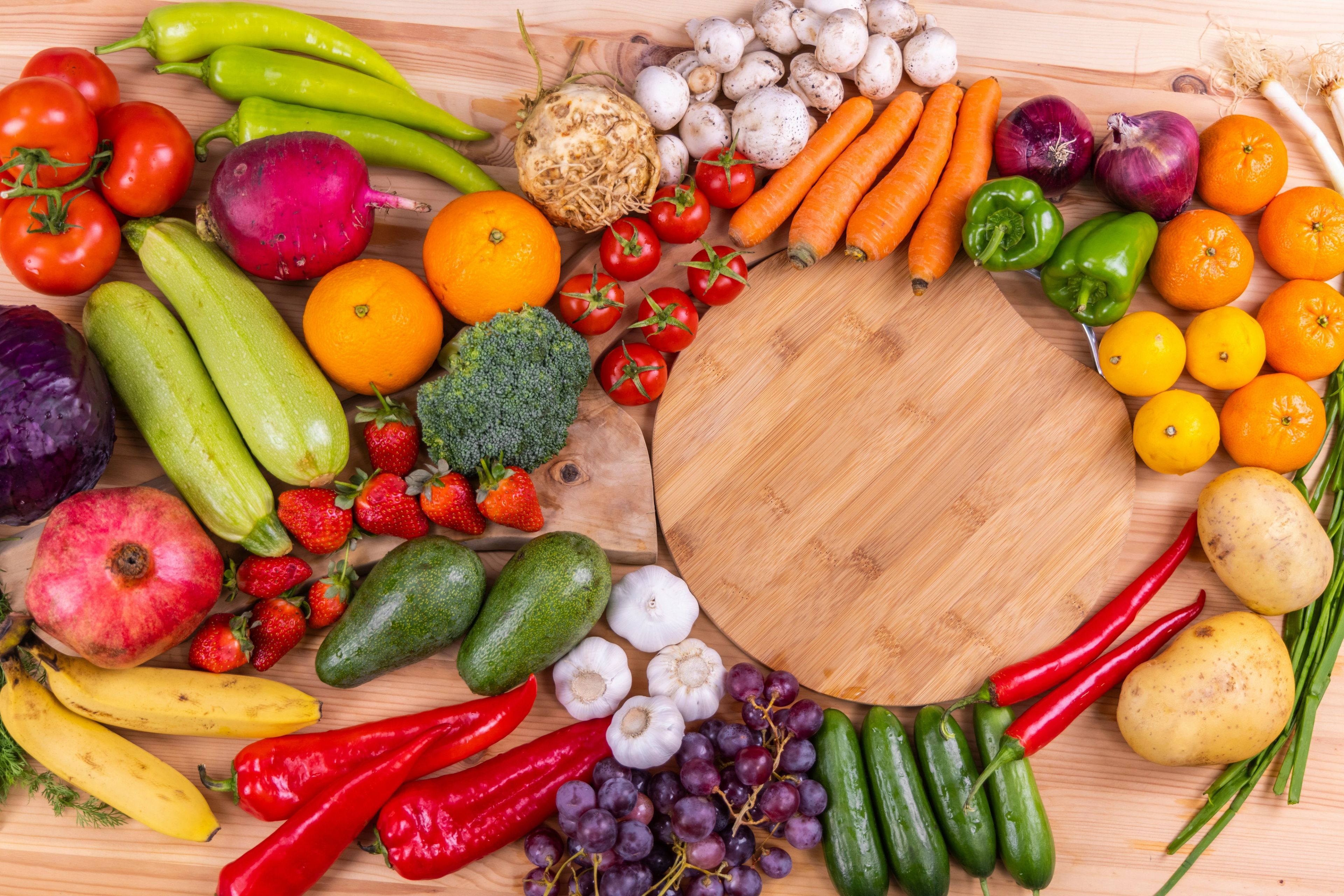
A selection of fresh, colorful vegetables, fruits and other nutrient-rich foods arranged to represent the role of healthy nutrition during cancer treatment.
engin akyurt by Unsplash

We all know that nutrition, eating the right foods and maintaining a good diet over the long-term is a key component of staying healthy throughout life. Indeed, a good diet helps significantly reduce the risk of certain conditions such as diabetes, heart disease and cancer.

For individuals that have been diagnosed with a medical condition such as cancer, good nutrition is still important, if not more so.

Here we take a closer look at the relationship between diet and cancer and how changing bad habits can make a big difference to health and wellbeing as well as recovery.
DIET AND CANCER

Most cancer specialists will outline how important diet is when someone has been diagnosed with cancer. While there are a whole host of challenges that cancer patients face, diet is perhaps one thing they will have complete control over.

Much will depend on how healthy a person has been eating before their diagnosis. Some may need to make small tweaks to their diet, others may have bigger challenges.

It’s not just food choices that are going to be important. Treatments like chemotherapy can affect appetite and lead to weight loss. Adding more protein and higher calorie foods to the diet can help combat this.

It is helpful to work with a specialist nutritionist who can help the individual modify their diet and maintain health before, during and after treatment.

DIET BEFORE CANCER TREATMENT

It’s important to start preparing diet options before any cancer treatment begins. This could include switching to healthier options such as more fruit and vegetables and less processed foods, cutting down on sugary or alcoholic drinks and unhealthy snacks.

An individual recently diagnosed with cancer won’t know what to expect from their treatment. They may, for instance, not want to cook. That’s why it’s a good idea to prepare some dishes and put them in the freezer.

A nutritionist won’t advise changing diet too much at this time. Most people who have recently been diagnosed have more pressing worries than whether their diet is suitable or not.

DIET DURING CANCER TREATMENT

Diet becomes even more important once cancer treatment has begun. An individual may have a good appetite one day and little or no enthusiasm for food the next. It varies from individual to individual especially with treatments such as chemotherapy.

On days when the appetite is working properly, it’s important to add high-protein foods to the diet such as chicken, lean meat and fish. If the patient is vegan or vegetarian, including plenty of beans, nuts and seeds can help increase the intake of protein and healthy fats.

Getting plenty of fiber by adding vegetables and fruit to the diet is also important. Treatments like chemotherapy impact on gut health, so keeping everything moving with a fiber-rich diet makes sense.

As well as good food choices, it’s also essential to stay hydrated, whether that’s having plenty of water throughout the day, a good cup of tea or some freshly squeezed fruit juices.

Once cancer treatment has been completed, it’s vital to keep up with this good nutrition and go for healthy options. It helps maintain a healthy weight and can boost your immune system, reducing the chance of cancer recurring.

REDUCING THE RISK OF CANCER THROUGH GOOD NUTRITION

Living a healthier lifestyle doesn’t mean someone will never get cancer at all but it can reduce the risk. If an individual is overweight or has a bad diet, smokes or drinks too much alcohol, they are far more likely to develop some certain cancers.

Here are some tips for cutting down that risk through better nutrition and lifestyle changes:

  • Reduce the amount of red meat, limiting it to about 18 ounces a week. Too much red meat is directly linked to the development of colorectal cancer.
  • Think about switching to a plant-based diet. If this isn’t an option, make sure that more vegetables are added to the plate.
  • Change refined grains for whole grains as these provide more fiber, have greater nutritional value and are better for the gut.
  • Stop eating processed foods such as ready meals, sausage meat and hot dogs, cereal and snack bars.
  • Cut out sugar – many processed foods contain high levels of sugar (and salt) that can lead to weight problems.
  • Don’t load plates with food. Portion size is important in a healthy diet. Eat slowly and chew food properly to aid digestion. Swap snacks like chocolate bars and chips for nuts and fruit.
  • Drink less alcohol and stay within the recommended guidelines.
  • In addition to better nutrition, individuals should also have a decent exercise regime to help maintain a healthy weight and reduce the risk of cancer developing.

The food we put into our bodies is important. Swapping to a healthier diet can not only reduce the risk of cancer but also help during treatment and recovery. A few simple changes make a huge difference.

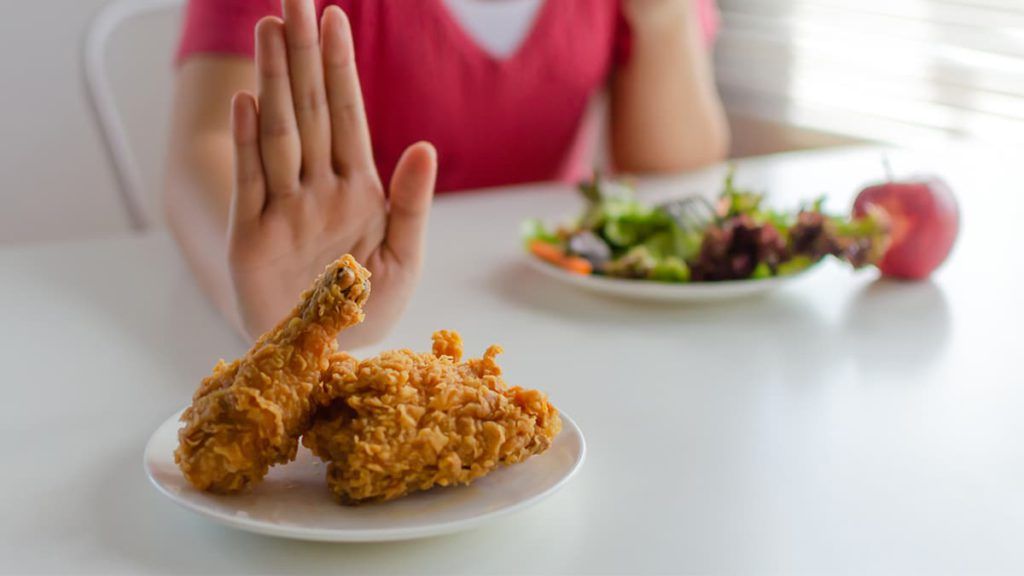
Illustration about avoiding processed and fast foods
Share

Related on this site

Further reading

Nutrition

Fruits to eat during chemotherapy

Explore 12 nutritious fruits that can be included in the diet during chemotherapy, including blueberries, oranges, bananas, apples, strawberries and pomegranates. Learn how different fruits can provide important nutrients and may help support nutrition during cancer treatment.

7 min read

Nutrition

The Ketogenic Diet and Cancer

Looking for a natural way to support cancer treatment? Discover the benefits of the ketogenic diet and cancer.

7 min read

Nutrition

Beneficial Juicy Fruits for Cancer Patients

When being treated for malignant growth, your food decisions are extraordinarily significant. Disease therapies like chemotherapy and radiation can cause many secondary effects, which can be either deteriorated or improved by what you eat and drink.

5 min read

Patient sits in a black leather chair having a conversation with a medical professional in scrubs who is sitting in front of her.

Talk to the care team

A free consultation about your situation, by phone, WhatsApp, or video.

Book a consultation