Skip to content

Nutrition · Guide · 3 min read

5 Foods that Reduce Colon Cancer Risk

Want to reduce the chances of colon cancer? Here will read about 5 miracle foods that, if you eat regularly, can significantly cut your odds of colon cancer.

Medically reviewed by Dr Abdulla El-Hossami, Group Chief Medical Officer · Sep 29, 2026Published Dec 15, 2021
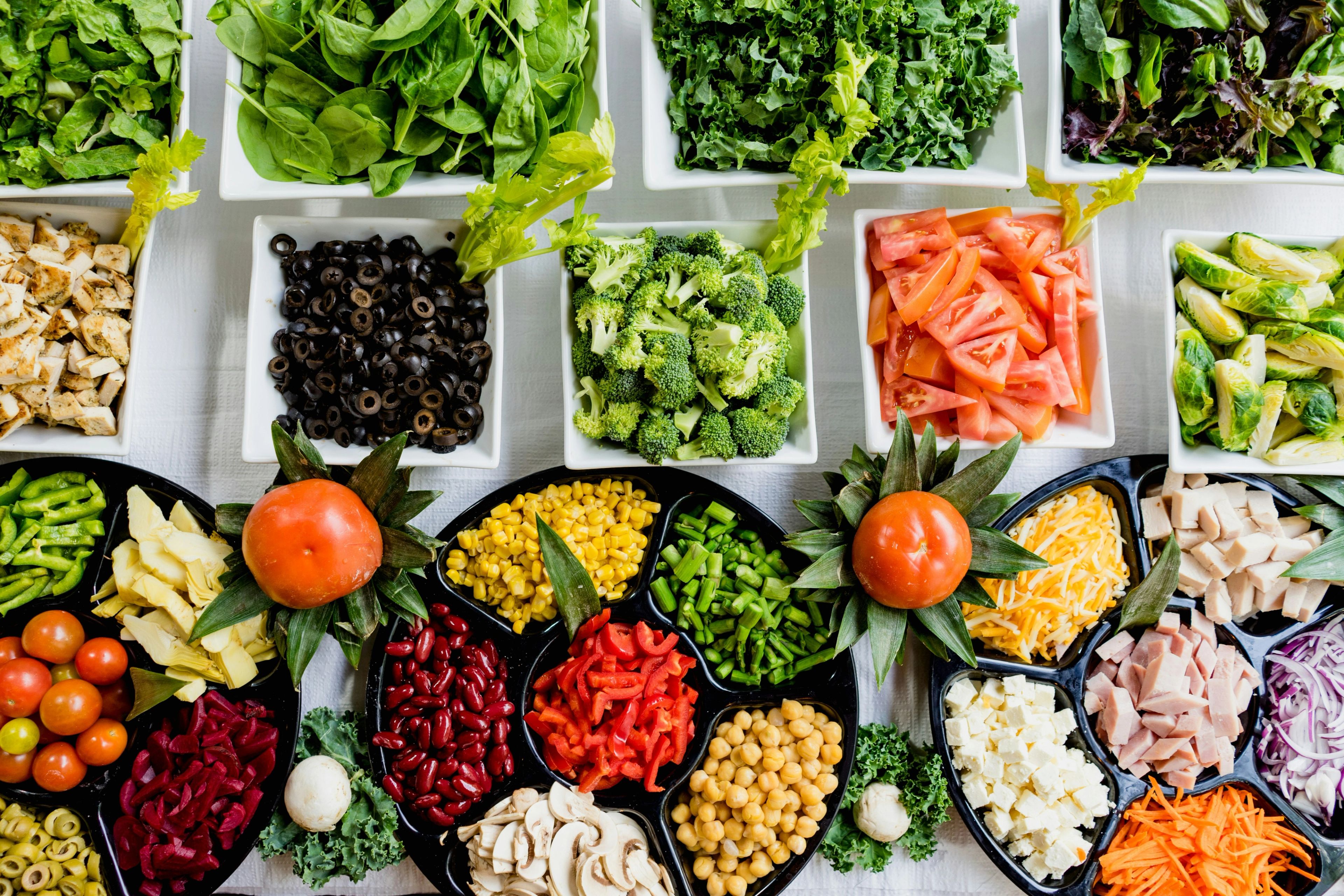
Platters of fresh salads and colourful vegetables arranged on a white table, representing a balanced, fibre-rich diet and healthy food choices.
Dan Gold by Unsplash

Eating well and having a balanced diet is one of the finest choices you can make to avoid colon cancer.

Food is like a double-edged sword; on the one hand, it may promote disease, but on the other hand, it can also help prevent chronic diseases like colon cancer.

Although there is no such thing as a cancer prevention diet, the experts have suggested five food types to include in your routine diet to reduce your risk of having colon cancer. They are vegetables, fiber-rich fruits, pulses and legumes, whole wheat products, and different types of nuts and seeds.

Vegetables

Green leafy vegetables such as broccoli and spinach are an excellent addition to your plate as they contain natural lutein, vitamin E, beta-carotene, and calcium that counteract oxidative damage.

Carotenoids and flavonoids are cancer-preventing nutrients naturally present in vegetables. Vegetables are a rich source of dietary fiber that helps build bulk in the stool, making it spend less time in the colon hence, preventing colon cancer.

You can try adding one or two fruits to your every meal so that you can take micronutrients and antioxidants in their natural food state.

Whole wheat products

Whole wheat products include wheat bread, whole grain cereals, oats, corn, buckwheat, quinoa, barley, and brown rice. They are a great source of fiber, magnesium, and selenium, and taking roughly 90 grams of whole grains in a day will keep your stools moving and grab onto a few carcinogens in your colon.

You should choose whole grains instead of white grains/refined grains or try mixing the two as they offer a complete package of valuable nutrients like fibers, B vitamins, and minerals like iron, copper, zinc, and magnesium.

Legumes, peas, and beans

The third food type is legumes, peas, or beans that are an inexpensive source of fiber, proteins, vitamins, complex carbohydrates, and nutrients like zinc. It is advisable to take about three cups of legumes a week according to the U.S. Dietary guidelines.

Non-vegetarians should try including beans and lentils instead of meat in their diet to avoid cancerous colon polyps in the body. She also said not to forget to add navy beans, chickpeas, fava beans, black beans, kidney beans, lima beans, lentils, and cannellini beans to your grocery list.

Nuts and seeds

The Nuts and Seeds food group is a rich source of unsaturated fatty acids, dietary fibers, phytonutrients, different vitamins, and minerals, like vitamin E and magnesium. Vitamin E is an antioxidant that can reduce the production of cell-damaging free radicals, hence has a potential role in cancer prevention.

Take Nuts and Seeds as snacks instead of chips and crackers, use them as a dip for your favorite fruits, and fill your oatmeal’s with ground flax and chia seeds.

Fruit

It is always advisable to have a meal filled with colorful and fiber-rich fruits in your diet as they contain health-promoting compounds that will help if you are recovering from cancer treatment.

Vitamin C-rich fruits like oranges, blueberries, mulberries, and bananas, lycopene containing fruits like watermelons, pink grapefruits would be a great mix of colors on your plate.

If you are in the middle of colon cancer treatment, recovering, or preventing colon cancer, try making these fiber and vitamins-rich foods a permanent part of your diet and live a cancer-free life.

Share

Further reading

Nutrition

Can Red Onions Help Fight Cancer? What the Research Shows

Could red onions play a role in cancer prevention? This article explores research into quercetin and other compounds found in red onions, including laboratory findings involving colon cancer cells, and looks at their potential health benefits and ways to include them in a balanced diet.

7 min read

Nutrition

Beneficial Juicy Fruits for Cancer Patients

When being treated for malignant growth, your food decisions are extraordinarily significant. Disease therapies like chemotherapy and radiation can cause many secondary effects, which can be either deteriorated or improved by what you eat and drink.

5 min read

Patient sits in a black leather chair having a conversation with a medical professional in scrubs who is sitting in front of her.

Talk to the care team

A free consultation about your situation, by phone, WhatsApp, or video.

Book a consultation