Skip to content

Nutrition · Guide · 6 min read

7 Benefits of Enoki Mushrooms

Discover seven potential health benefits of enoki mushrooms, from their nutritional value and antioxidant content to their potential effects on immune, blood sugar and brain health. The article also explores early research into compounds in enoki mushrooms and their potential cancer-related effects.

Medically reviewed by Dr Abdulla El-Hossami, Group Chief Medical Officer · Sep 29, 2026Published Dec 28, 2021
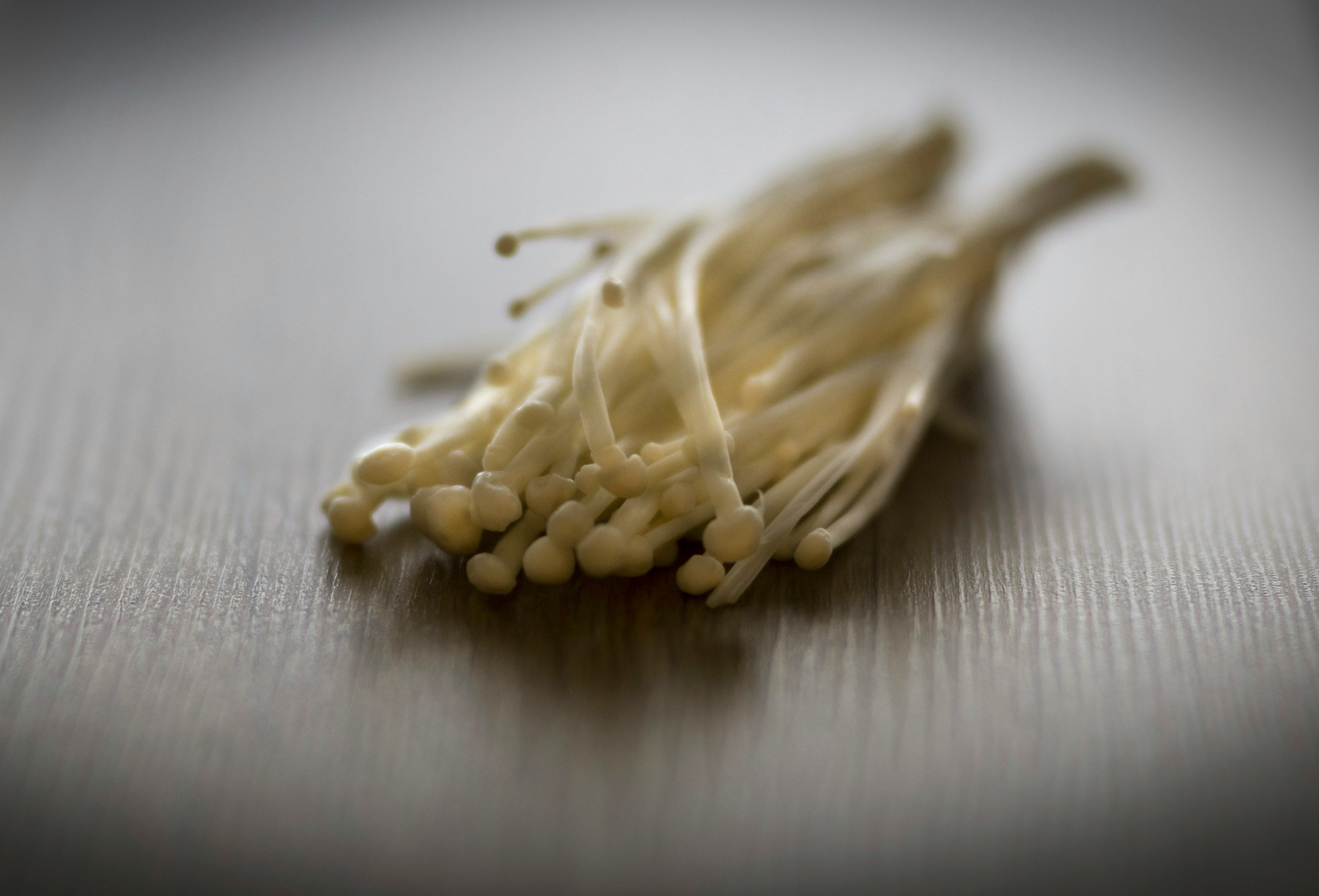
Fresh white enoki mushrooms with long, slender stems and small rounded caps, arranged together to highlight their distinctive appearance and nutritional qualities.
Nathalie Jolie by Unsplash

Enoki mushrooms, also known as golden needle mushrooms, are a type of edible mushroom that has been used in traditional Chinese medicine for centuries. In recent years, enoki mushrooms have gained popularity as a superfood due to their numerous health benefits.

With hundreds of varieties existing globally, finding different types of mushrooms is not a challenge. While some are not safe for consumption, others, like Enoki mushrooms, can be eaten. These edible mushrooms are widely available and are primarily grown in China, Korea, and Japan. Known for their mild, fruity taste and exceptional nutritional value, Enoki mushrooms are a sought-after ingredient in many cuisines. Their unique flavor, aroma, and health benefits make them a popular choice in various dishes.

Enoki mushrooms contain a range of nutrients and bioactive compounds that are being studied for their potential health benefits, including effects on immune function and cancer-related pathways. Here are a few top-tier benefits of enoki mushrooms that make them the best alternative to a variety of foods.
Highly Nutritious

Enoki mushrooms are a great source of a variety of nutrients like vitamins, minerals, and dietary fibers, which have lots of health benefits. One cup – 65 grams – raw enoki mushrooms have 24 calories and a variety of nutrients:

1. Vitamin B3 – Niacin (28.57% of the daily value)

2. Vitamin D (20.00% of the DV)

3. Vitamin B5 – Pantothenic acid (17.56% of the DV)

4. Vitamin B1 – Thiamin (12.17% of the DV)

5. Vitamin B2 – Riboflavin (10.00% of the DV)

6. Vitamin B6 – Pyridoxine (5.00% of the DV)

7. Vitamin B9 – Folate (7.75% of the DV)

8. Iron – 9.38% of the DV

9. Phosphorus – 9.71% of the DV

10. Copper – 7.78% of the DV

11. Magnesium – 2.38% of the DV

12. Potassium – 4.96% of the DV

13. Linoleic acid – 0.039 grams

14. Protein – 3.46% of the DV

15. Total fat (lipid) – 0.54% of the DV

16. Total dietary fiber – 4.74% of the DV

Vitamin B3 helps to regulate cholesterol levels and thus promotes brain health. Dietary fibers in enoki mushrooms normalize bowel movements and prevent constipation. They are one of the best low-calorie sources of dietary fibers.These Noodle-like mushrooms are excellent sources of low-calorie dietary fibers. The dietary fiber in enoki mushrooms regulates bowel movements and can help prevent constipation. Enoki mushrooms contain a healthy amount of vitamin B5-pantothenic acid used by the human body to synthesize fatty acids. Being rich in thiamine- vitamin B1 helps regulate nerve cell functions. Including enoki mushrooms in a varied diet can contribute useful amounts of several vitamins and minerals.

Rich in Antioxidants

Enoki Mushrooms provide a bunch of antioxidants such as thiamine, niacin, riboflavin, iron, calcium, potassium, copper, sodium, and selenium. Antioxidants are a necessity for the human body. They help protect your cells against free radicals, which are prone to increase your risk of having cancer and heart diseases. According to a study conducted on enoki mushrooms, they contain tocopherols, ascorbic acid, β-carotene, gallic acid, quercetin, ferulic acid, caffeic acid, chlorogenic acid, ellagic acid, pyrogallol, lycopene that contribute to the mushroom’s antioxidant activity. The micronutrients present in enoki mushrooms depend majorly on the cultivation regions and the specific sub-species.

They May Help Boost Immunity

Filled with amino acids like valine, lysine, and ergothioneine, Enoki mushrooms offer immune-enhancing properties. For centuries, the Chinese and Japanese have utilized their health benefits in traditional medicine. And, these mushrooms have made their way into many different cuisines, from salads and stir-fries to stews and soups. If you’re looking to incorporate Enoki mushrooms into your diet, it’s helpful to know some simple recipes and cooking techniques. You can even substitute them in dishes typically made with other types of mushrooms.

Some laboratory and animal studies suggest that compounds in enoki mushrooms may influence immune-system activity. However, it is not yet clear whether eating enoki mushrooms produces a clinically meaningful immune-boosting effect in humans.

May Support Healthy Blood Sugar Levels

Enoki mushrooms contain dietary fibre can help support healthy blood glucose regulation, although eating enoki mushrooms alone cannot prevent type 2 diabetes. Fibers present in enoki mushrooms promote the production of insulin and tells the body to store fat. What it does is decelerate the assimilation of sugar into the bloodstream and prevent diabetes.

May Slow Cancer Cell Growth

Eating Enoki mushrooms brings with it numerous health benefits. Beyond their traditional use in Asian medicine to treat conditions such as high cholesterol, blood pressure, liver diseases, and stomach ailments, they also hold promise in the fight against cancer. Rich in antioxidants, particularly ergothioneine, Enoki mushrooms are a powerful anti-cancer food. In fact, they were the first mushrooms ever studied for their potential to prevent cancer. While more research is needed to fully understand the relationship between Enoki consumption and reduced cancer rates, several studies have shown that Enoki extracts can inhibit the growth of liver, stomach, breast, and cervical cancer cells in test-tube studies, albeit using high amounts of Enoki extract. By including Enoki mushrooms in your daily diet, scientists suggest that you may lower your risk of developing cancer.

May Support Brain Health

Packed with compounds, especially amino acids, Enoki mushrooms may enhance brain function and intelligence. One animal study found that these compounds increased antioxidants and neurotransmitters in the brain, thus protecting against damage to learning and memory caused by certain medications. These properties have earned Enoki mushrooms the nickname “Fungus that stimulates intellectual development.”

Another animal study produced similar results, reporting that combining Enoki mushroom extract with ginsenosides, a compound found in ginseng, may improve brain function in rats with Alzheimer’s Disease. An older test-tube study also showed that Enoki extract can help prevent the breakdown of acetylcholine, a neurotransmitter responsible for regulating learning, attention, and memory in the brain.

The Bottom Line

With their unique taste and crispy texture, Enoki mushrooms have long been a staple in Asian cuisine. Boasting a slightly earthy flavor, they can be enjoyed in salads or added to dishes like soups and stews when cooked. Not only are they delicious, but they are also extremely nutritious, packed with fiber, B vitamins, and antioxidants. These health-boosting properties make Enoki mushrooms a nutritious addition to any meal.

Share

Related on this site

Further reading

Nutrition

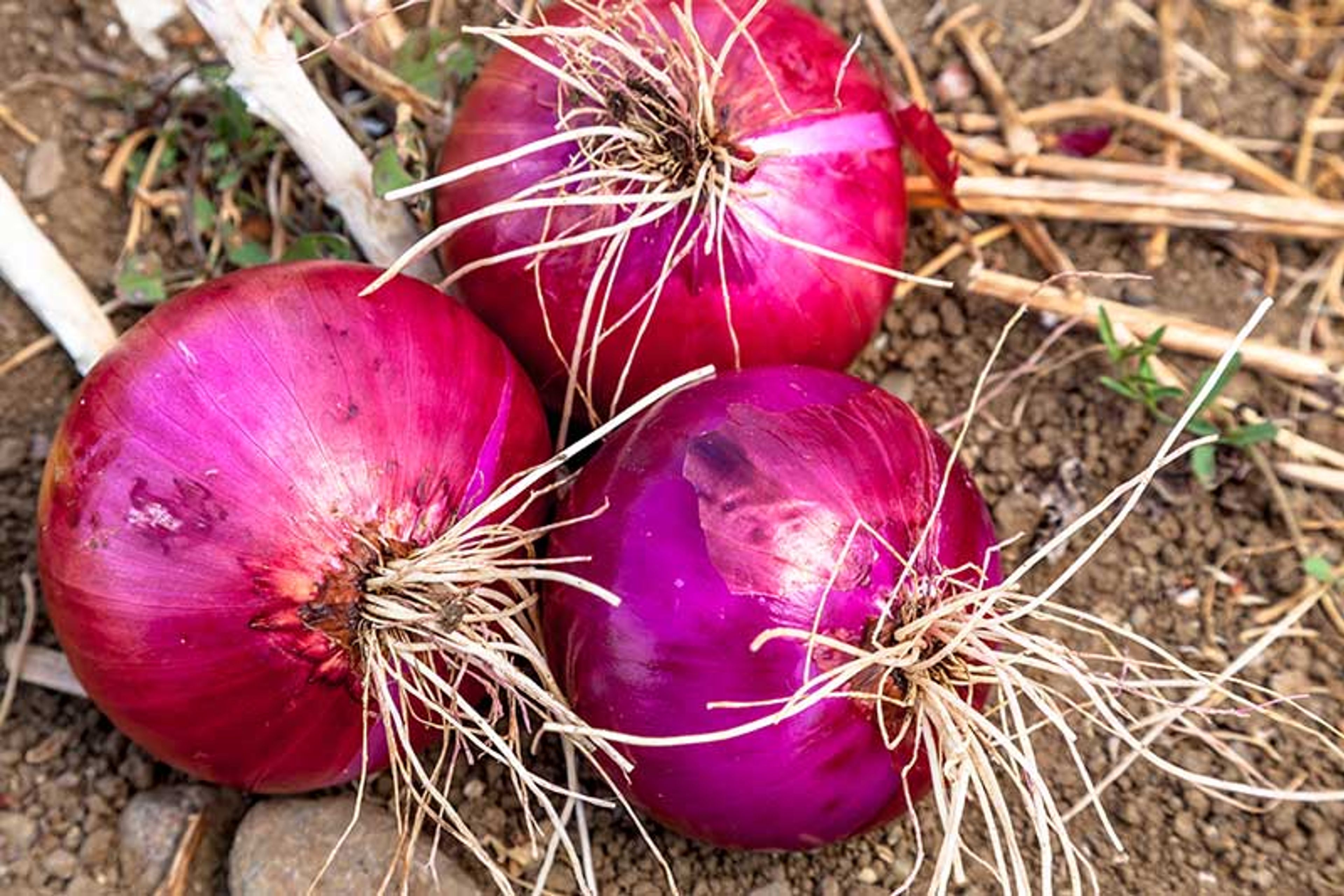
Can Red Onions Help Fight Cancer? What the Research Shows

Could red onions play a role in cancer prevention? This article explores research into quercetin and other compounds found in red onions, including laboratory findings involving colon cancer cells, and looks at their potential health benefits and ways to include them in a balanced diet.

7 min read

Nutrition

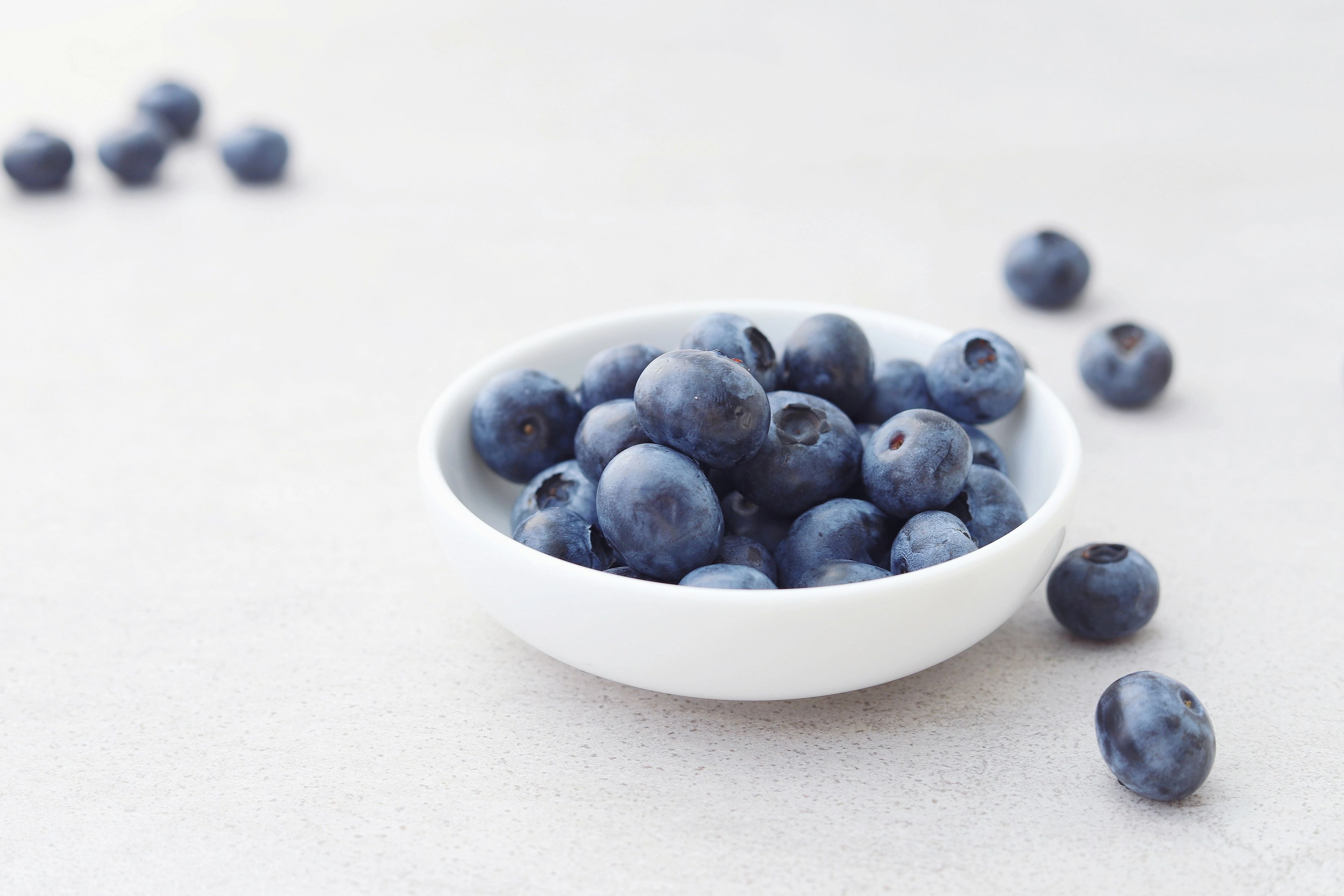
Fruits to eat during chemotherapy

Explore 12 nutritious fruits that can be included in the diet during chemotherapy, including blueberries, oranges, bananas, apples, strawberries and pomegranates. Learn how different fruits can provide important nutrients and may help support nutrition during cancer treatment.

7 min read

Nutrition

Beneficial Juicy Fruits for Cancer Patients

When being treated for malignant growth, your food decisions are extraordinarily significant. Disease therapies like chemotherapy and radiation can cause many secondary effects, which can be either deteriorated or improved by what you eat and drink.

5 min read

Patient sits in a black leather chair having a conversation with a medical professional in scrubs who is sitting in front of her.

Talk to the care team

A free consultation about your situation, by phone, WhatsApp, or video.

Book a consultation