Skip to content

Skin Cancer

Skin cancer is a disease in which cells in the outer layer of the skin grow out of control. The two most common types, basal cell carcinoma and squamous cell carcinoma, are together called non-melanoma skin cancer. They usually develop on skin that has had years of sun exposure, grow slowly, and are very often cured when found early. Melanoma, the third type, is less common and more likely to spread.
Medically reviewed by Dr Thapana Tangshewinsirikul (Dr Tom), Oncology Director. Last reviewed 2026-09-30.
Nurse making notes
Our Head Nurse, Aoy, Verita Life Bangkok.

01 / Overview

About skin cancer

Also known as: non-melanoma skin cancer, basal cell carcinoma (BCC), squamous cell carcinoma (SCC), keratinocyte cancer.

Skin cancer can show up in many different forms, including basal cell carcinoma, squamous cell carcinoma, and melanoma. Treatment for each type can vary but in many cases requires surgery.

At Verita Life our skin cancer therapies were designed to complement conventional cancer care, and support patients on a deeper physical, emotional, and mental level.

02 / Types

Skin Cancer types

  • Basal cell carcinoma

    a skin cancer that is slow growing and (typically) is restricted to sun exposed areas. The most common skin cancer. Grows slowly and almost never spreads.
  • Squamous cell carcinoma

    a skin cancer that will spread if untreated. The second most common. Can spread if left, especially in people with a weakened immune system.
  • Melanoma

    is a common type of skin cancer that begins in the pigment producing cells, please visit our melanoma page for more details. Starts in pigment cells and is more likely to spread. Has its own page.
  • Advanced skin cancer

    skin cancer that has spread beyond the skin and into other tissues.
  • Recurrent skin cancer

    cancer that has returned after treatment or remission.

03 / Symptoms

Skin Cancer symptoms

Non-melanoma skin cancer usually appears as a change in the skin that does not go away. Signs can include:

  • A sore that does not heal, or that heals and comes back
  • A raised, smooth, shiny area that looks pearly
  • A firm area that looks like a scar and may be white, yellow, or waxy
  • A raised patch that is red or reddish-brown
  • A scaly, bleeding, or crusty patch
  • A new growth or lump, or a change in an existing patch of skin

Any skin change that lasts more than four weeks should be checked, especially on the face, ears, neck, scalp, or hands.

04 / Stages

Skin Cancer stages

The stage describes the size and depth of the tumour and whether it has spread to lymph nodes or distant organs. Most non-melanoma skin cancers are found early, at stage 0 or I, and basal cell carcinoma almost never spreads.

Stage 0 is abnormal cells in the outer layer only. Stages I and II are tumours of increasing size or with higher-risk features. Stage III has spread to nearby lymph nodes or into nearby bone. Stage IV has spread to distant organs. Squamous cell carcinoma is the type that more often spreads, particularly in people with a weakened immune system.

Stages we support: Stage I, Stage II, Stage III, Stage IV, Metastatic.

05 / Conventional care

Conventional treatment

Skin cancer treatment depends on the type, the size and position of the tumour, and your overall health. Most are treated by a dermatologist or skin cancer surgeon in a single procedure. Verita Life does not replace this care. Our therapies are designed to support it.

Surgery

Cutting out the tumour with a margin of healthy skin, or Mohs surgery, which removes the cancer layer by layer to spare healthy tissue on the face.

Other local treatments

Freezing, scraping and cautery, prescription creams, or photodynamic therapy, in which a light-activated cream destroys very early or superficial cancers.

Radiation therapy

High-energy beams for tumours that are hard to remove surgically, or after surgery for higher-risk cancers.

Immunotherapy and targeted therapy

Medicines for the small number of advanced cancers that cannot be removed or have spread: immunotherapy for squamous cell carcinoma, and hedgehog pathway inhibitors for advanced basal cell carcinoma.

06 / Verita Life care

Your care at Verita Life

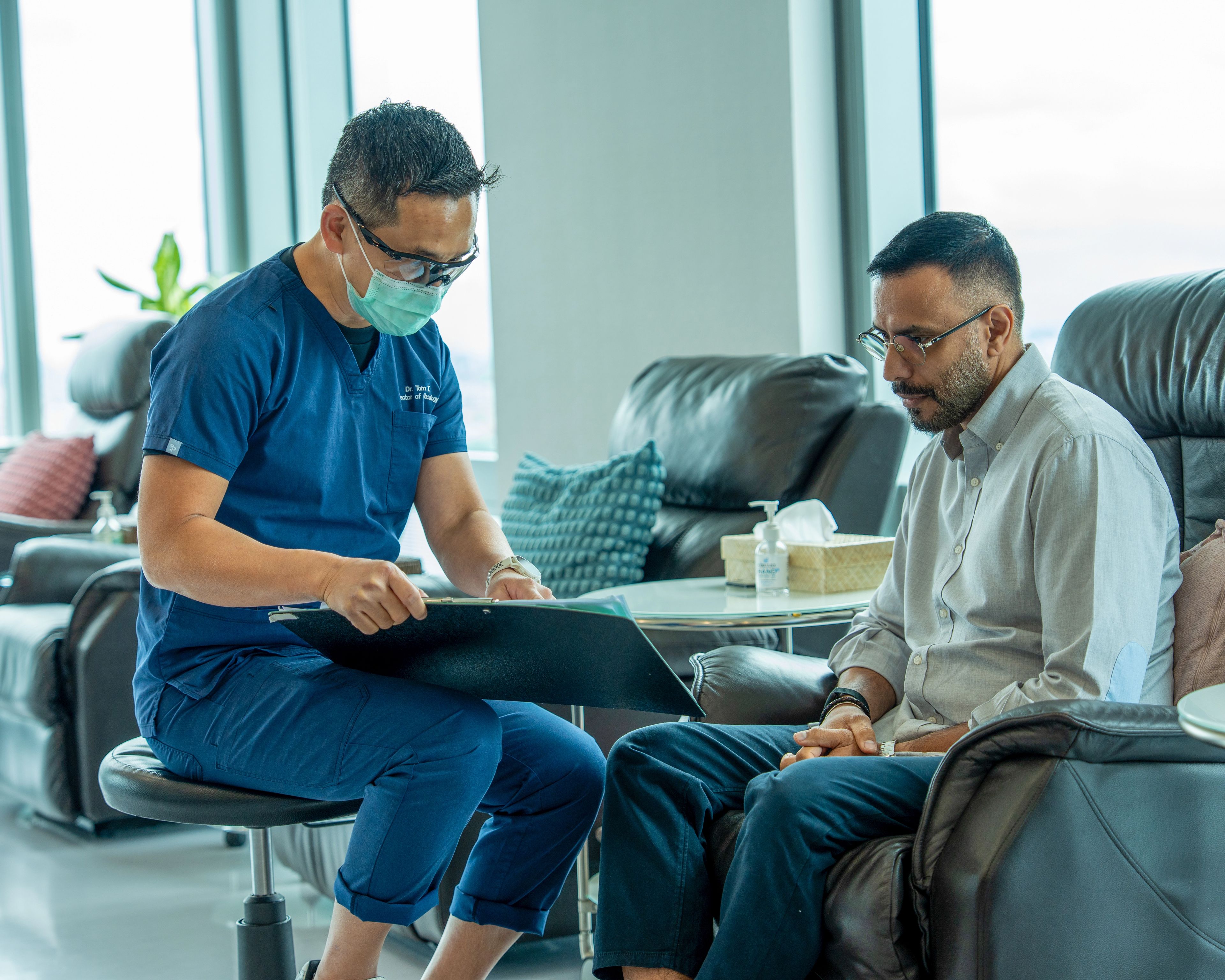
Doctor in consultation with a patient
Verita Life, Bangkok

How we help skin cancer patients

All care provided by the Verita Life teams are structured and supervised, and our work might include:

A full exam of your medical history
A complete review of your diagnosis, previous treatments, imaging, and current health status.
Selecting therapies that work for you
Choosing therapies that work for your skin cancer type, stage, and personal priorities.
Adjustments when you need them
We will change as you do, cancer treatment isn’t straightforward but we’re flexible in the ways we can help.

What makes Verita Life different?

  • Internationally trained teams: Verita Life’s medical team’s biggest priority is delivering patient focused care at global oncology standards.
  • Integrative therapy: We will strive to find the best therapy for your skin cancer journey.
  • Programmes built around you: Every single plan we make is made with you in mind, shaped around your diagnosis, skin cancer stage, and your personal goals.
  • A team that will never leave you: Alongside compassion you can expect education and guidance along your journey and long into your remission.
More about care at Verita Life

We’re here, always

At Verita Life we provide help at every stage of your skin cancer journey, whether you’re visiting us as someone newly diagnosed, or someone who’s been fighting skin cancer for some time, we’re here.

07 / Therapies

Treatments and therapies

Treatment for skin cancer care at Verita Life

Verita Life’s integrative skin cancer treatments incorporate medically-backed traditional therapies with holistic therapies designed to complement conventional care. Our skin cancer treatments include:

Metronomic Therapy
Metronomic chemotherapy is an approach to cancer treatment in which chemotherapy is given at a lower dose, but more frequently and with shorter or no extended breaks between treatments.
Metabolic Treatment
Metabolic approaches investigate how cancer cells obtain and use energy and nutrients. Cancer cells behave very differently to healthy cells, often heavily relying on glucose and alter their metabolic pathways in order to grow more rapidly than healthy cells. This is a broad area of research, not a single established treatment or diet and at Verita Life we use metabolic approaches within our wider, personalised treatment plans.
Local Body Hyperthermia
Local body hyperthermia is a type of integrative therapy designed to work alongside both integrative oncology care and conventional cancer treatments. Local body hyperthermia is a targeted heat-based therapy that delivers controlled heat to specific areas of the body.
IPT & Low-Dose Chemotherapy
Insulin potentiation therapy, or IPT, uses insulin alongside lower doses of chemotherapy as part of an integrative cancer treatment approach.
Herbal Cancer Therapy
Following years of research, our medical team have developed specific herbal treatment protocols to address varying types of tumours. We use proven compounds that stem from all natural herbal ingredients such as curcumin, quercetin and other anti-cancer therapies.
Biological Treatment
Biological treatments are supportive regimens that can sometimes fall under immunotherapy due to their nature, and work by harnessing the body's natural immune system or targeting precise molecular pathways involved in cancer growth.
Natural Killer Cell Therapy
Natural Killer (NK) cells are a type of lymphocyte, or white blood cell, that play a major role in the immune system by targeting and killing infected cells and cancer cells.

The treatments below are used across cancer types. Which ones apply to you is decided in your consultation.

Explore treatment families

All treatments

08 / Questions

Questions patients ask

What does non-melanoma skin cancer mean?

The term commonly refers to basal cell carcinoma and squamous cell carcinoma of the skin. Melanoma is a different skin cancer. A pathology diagnosis helps distinguish these conditions.

Source: National Cancer Institute

How is a suspected skin cancer confirmed?

A clinician examines the skin and may take a biopsy. A pathologist checks the sample to establish whether cancer is present and identify its type. A new or changing skin lesion should be assessed rather than diagnosed from appearance alone.

Source: National Cancer Institute

What affects treatment for non-melanoma skin cancer?

The cancer type, the lesion’s size and location, and your general health influence the options. For squamous cell carcinoma, the stage also matters. Your specialist can explain the choice for the particular lesion.

Source: National Cancer Institute

09 / Sources

Sources and medical review

Medically reviewed by Dr Thapana Tangshewinsirikul (Dr Tom), Oncology Director. Last reviewed 2026-09-30.

  1. National Cancer Institute. Skin Cancer Treatment (PDQ®) – Patient Version
  2. Cancer Research UK. Skin cancer
  3. World Health Organization. Ultraviolet radiation and skin cancer

Care at Verita Life

Book a free consultation

Our doctors read your diagnosis, imaging, and treatment history before anything is proposed. Nothing on this page is a substitute for your oncologist’s advice.
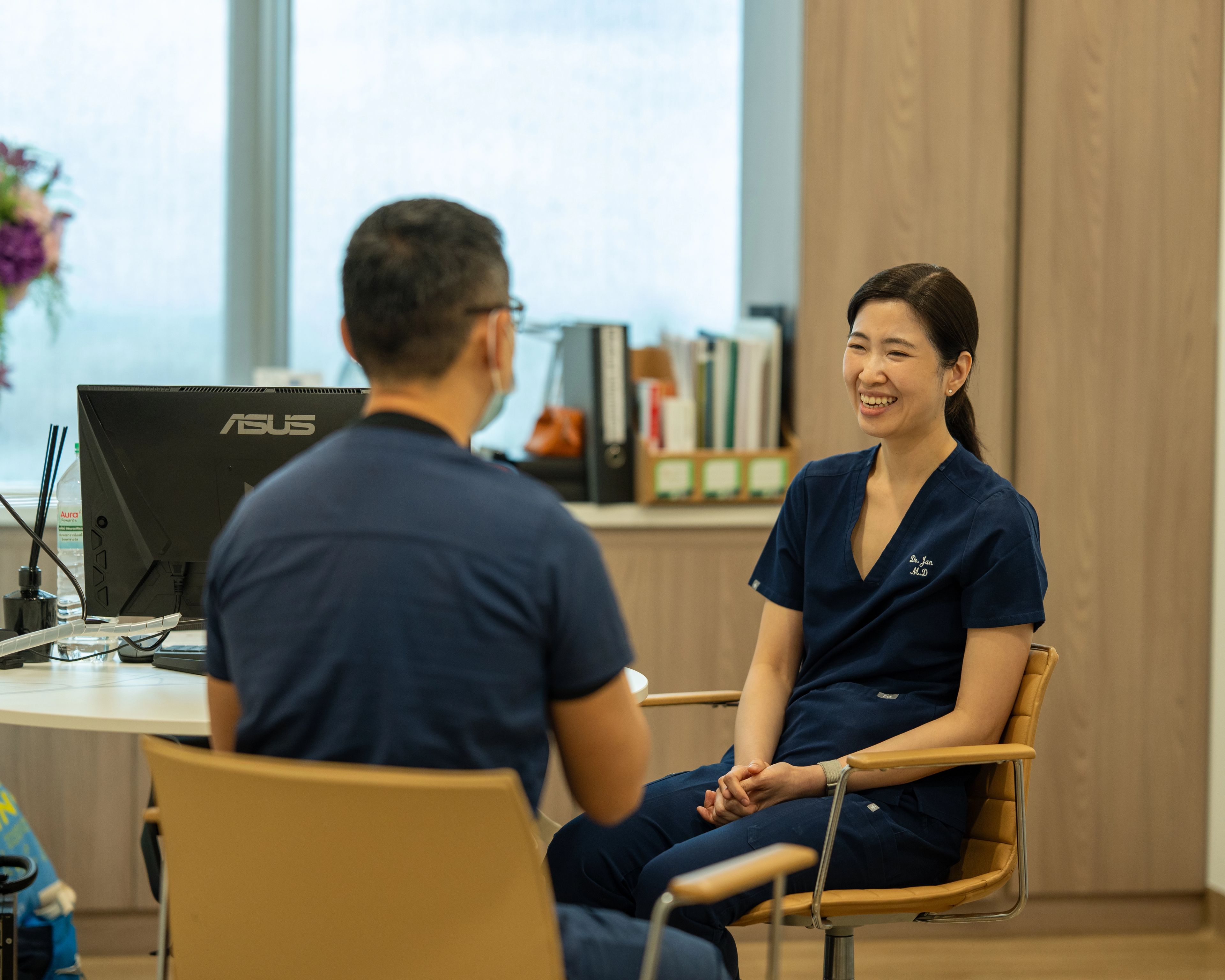
A Verita Life doctor in consultation
Book a consultation

Skin Cancer Treatment | Verita Life