Skip to content

Local body hyperthermia

Local body hyperthermia is a type of integrative therapy designed to work alongside both integrative oncology care and conventional cancer treatments. Local body hyperthermia is a targeted heat-based therapy that delivers controlled heat to specific areas of the body.
Medically reviewed by Dr Abdulla El-Hossami, Group Chief Medical Officer. Last reviewed 2026-09-30.
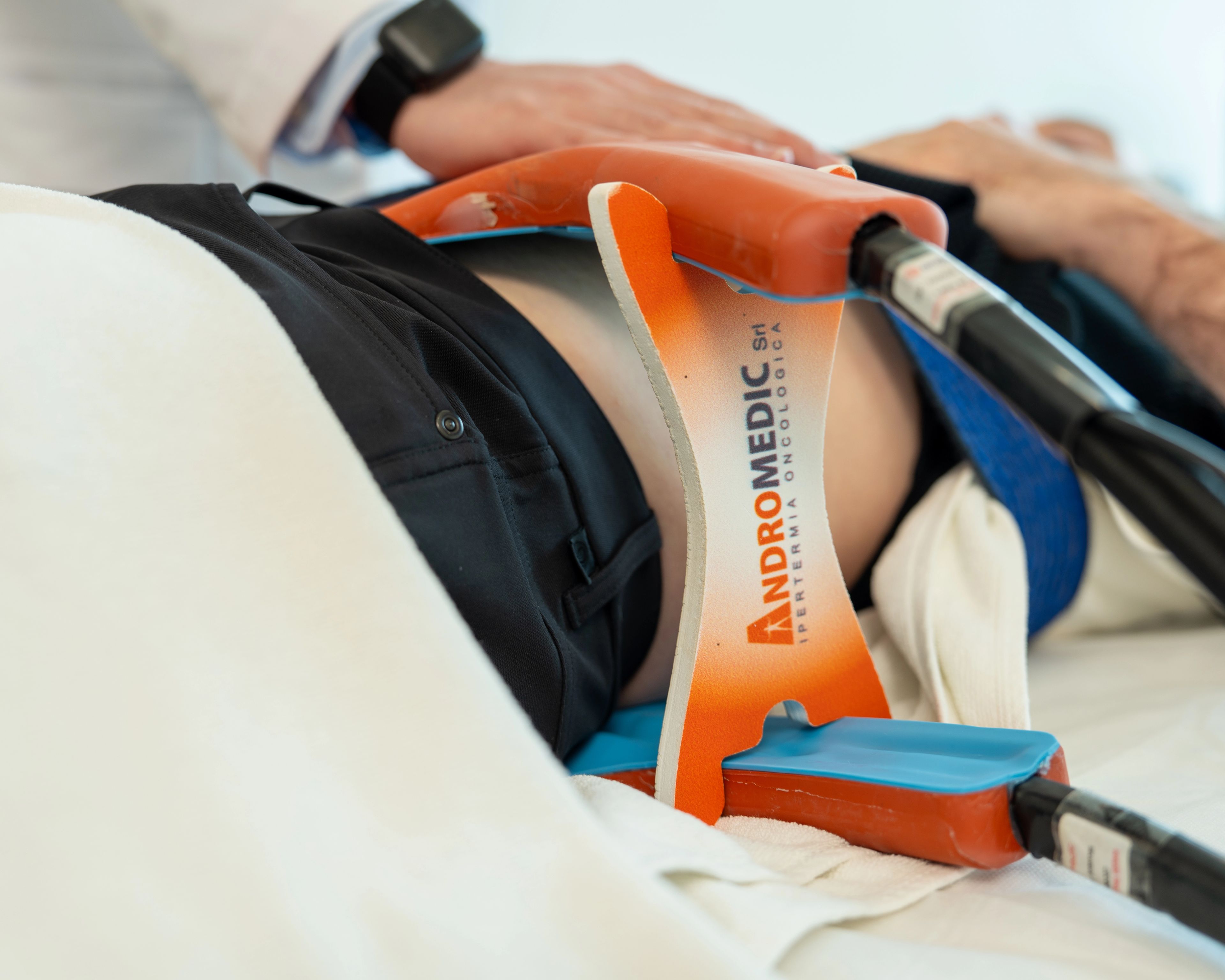
The abdomen of a patient with a andromedic local hyperthermia machine attached. There is one padel below the patient and one above, while a medical professional rests his hand on the patient’s chest.
A patient with the local hyperthermia applicators in a Verita Life treatment room.

01 / Overview

About Local Body Hyperthermia

Local body hyperthermia is a type of heat therapy that works by applying controlled heat to specific areas of the body, as part of an overall treatment plan designed for you by Verita Life.

Often used alongside conventional treatments, hyperthermia has become an increasingly important area within supportive cancer therapy and integrative cancer care. At Verita Life, we provide local body hyperthermia under expert medical supervision and incorporate the treatment into wider treatment plans that are tailored to your own personal diagnosis, treatment history, and current cancer stage.

By focusing heat directly on selected treatment areas, local body hyperthermia can be used alone, or be incorporated into comprehensive cancer support programmes that we design around your current medical care.

02 / How it works

Controlled heat, a specific treatment area

Unlike our whole body hyperthermia therapies that can affect your overall body temperature, local body hyperthermia works by concentrating heat to a specific area.

Radiofrequency energy passes from applicators placed against the skin to the selected tissues. Verita Life uses two applicator sizes and a water-cooled system to help manage skin temperature. The planned temperature and target area are set by the medical team.

How heat can support another treatment

During local body hyperthermia the blood vessels within the tumour may begin to dilate, helping to improve blood flow and oxygen delivery. With better oxygenation tumour cells can become more responsive to conventional cancer treatments like chemotherapy and radiotherapy. Since healthy tissue is more likely to be able to regulate heat than tumour tissue, hyperthermia therapy might place cancer cells under greater thermal stress.

Temperatures between 39°C and 43°C can disrupt the cellular processes within tumour cells. Studies have shown that hyperthermia can affect proteins, cell membranes, and DNA repair, while also increasing the sensitivity of cancer cells to chemotherapy and radiotherapy.

The non-invasive treatment described here is different from radiofrequency ablation, which uses an inserted probe and higher temperatures to destroy tissue.

Sources: 1, 2

03 / Patient selection

When it may be considered

Whether local heating is appropriate depends on the tumour’s location and depth, the area that can be treated, previous treatment, and the aim of the care plan. A cancer diagnosis alone does not establish suitability.

Often used alongside conventional treatments, hyperthermia has become an increasingly important area within supportive cancer therapy and integrative cancer care. At Verita Life, we provide local body hyperthermia under expert medical supervision and incorporate the treatment into wider treatment plans that are tailored to your own personal diagnosis, treatment history, and current cancer stage.

Sources: 2

04 / Your session

During your treatment

Usually 45 to 60 minutes. The schedule is individual.

Before the session
The team reviews your diagnosis, treatment history, and the area to be treated. Tell them about implanted devices, previous surgery or radiotherapy, medicines, and any skin problems in that area.
During the session
You lie down in the treatment room while applicators are positioned against the skin. The team delivers controlled heat and supervises the session. Tell them promptly about pain or excessive heat so the treatment can be assessed and adjusted.
Your treatment schedule
The frequency of sessions depends on your individual circumstances and other treatment. Ask how the schedule will fit with your oncology appointments and how the team will assess your response.

05 / Care at Verita Life

How we plan your care

At Verita Life our modern treatment centres use advanced hyperthermia systems designed specifically for integrative oncology. All of our sessions are personalised to your needs and incorporated into programmes based on diagnosis, treatment history, and what you personally want to achieve from your time with Verita Life.

We take a multidisciplinary approach and, where appropriate, we will combine this treatment with other supportive and integrative therapies as part of a broader treatment plan designed around you.

Our experienced medical team will supervise and support you in a clean and professional environment, while focusing on your safety and comfort.

06 / Evidence

What does the evidence show?

A randomised trial in people with superficial tumours found a higher complete response rate when hyperthermia was added to radiotherapy.

Sources: 3

07 / Questions

Questions patients ask

What is Local Body Hyperthermia for cancer treatment?

Local body hyperthermia applies controlled heat to a selected area of the body. External applicators deliver energy through the skin. The temperature, target area, and schedule depend on the treatment technique and the individual care plan. It is usually considered alongside another cancer treatment.

What cancer can local body hyperthermia be used for?

Suitability depends on more than the cancer name. The team assesses the tumour’s location and depth, previous treatment, and whether a relevant combination of treatments is supported by evidence. Studies of one hyperthermia technique or tumour setting do not establish that every patient with that cancer will benefit.

Is Local Body Hyperthermia invasive?

The external radiofrequency treatment described here does not require surgery or an incision. Applicators are placed against the skin. This is different from radiofrequency ablation, which uses an inserted probe and higher temperatures.

Can Local Body Hyperthermia be combined with other treatments?

Hyperthermia may be used with radiotherapy or chemotherapy in selected circumstances. Your team should explain the evidence for the proposed combination, its risks, and how it will be coordinated with your treating oncologist. It does not replace prescribed cancer treatment.

08 / Sources

Sources and medical review

Medically reviewed by Dr Abdulla El-Hossami, Group Chief Medical Officer. Last reviewed 2026-09-30.

  1. Oei AL et al. Molecular and biological rationale of hyperthermia as radio- and chemosensitizer. Advanced Drug Delivery Reviews (2020).
  2. National Cancer Institute. Hyperthermia to Treat Cancer (2025).
  3. Jones EL et al. Randomized trial of hyperthermia and radiation for superficial tumors. Journal of Clinical Oncology (2005).

09 / Articles and resources

Articles and resources

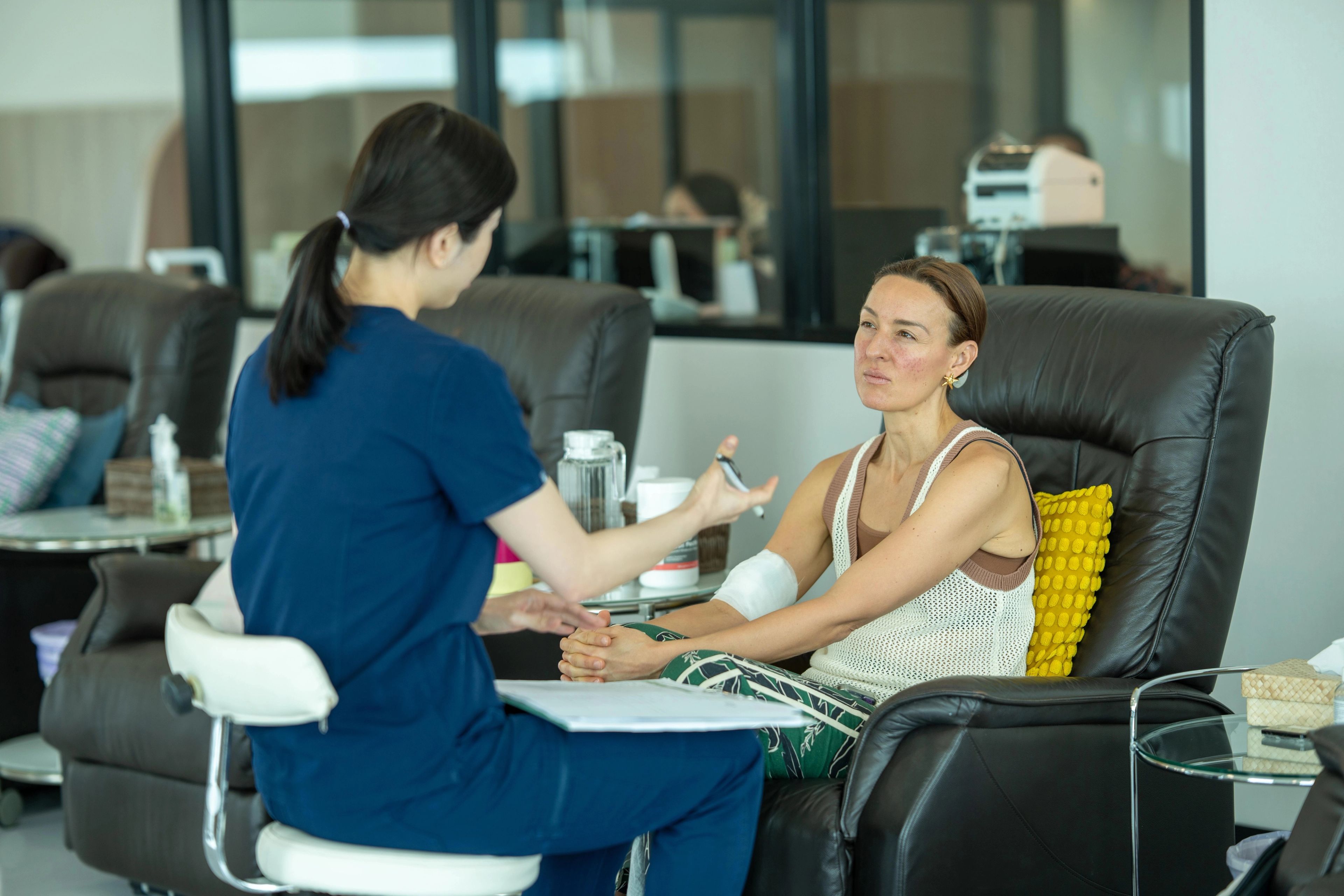
Patient sits in a black leather chair having a conversation with a medical professional in scrubs who is sitting in front of her.

Discuss local hyperthermia with our team

Talk with our medical team about your diagnosis, current treatment, and whether local hyperthermia may have a role in your care.
Book a consultation

Local Body Hyperthermia | Integrative Cancer Treatment | Verita Life