Skip to content

Lung Cancer

Lung cancer is a disease in which cells in the tissues of the lung grow out of control and form a tumour. There are two main types: non-small cell lung cancer, which is the more common, and small cell lung cancer, which tends to grow and spread faster. Smoking is the most important risk factor, but people who have never smoked also get lung cancer.
Medically reviewed by Dr Thapana Tangshewinsirikul (Dr Tom), Oncology Director. Last reviewed 2026-09-30.
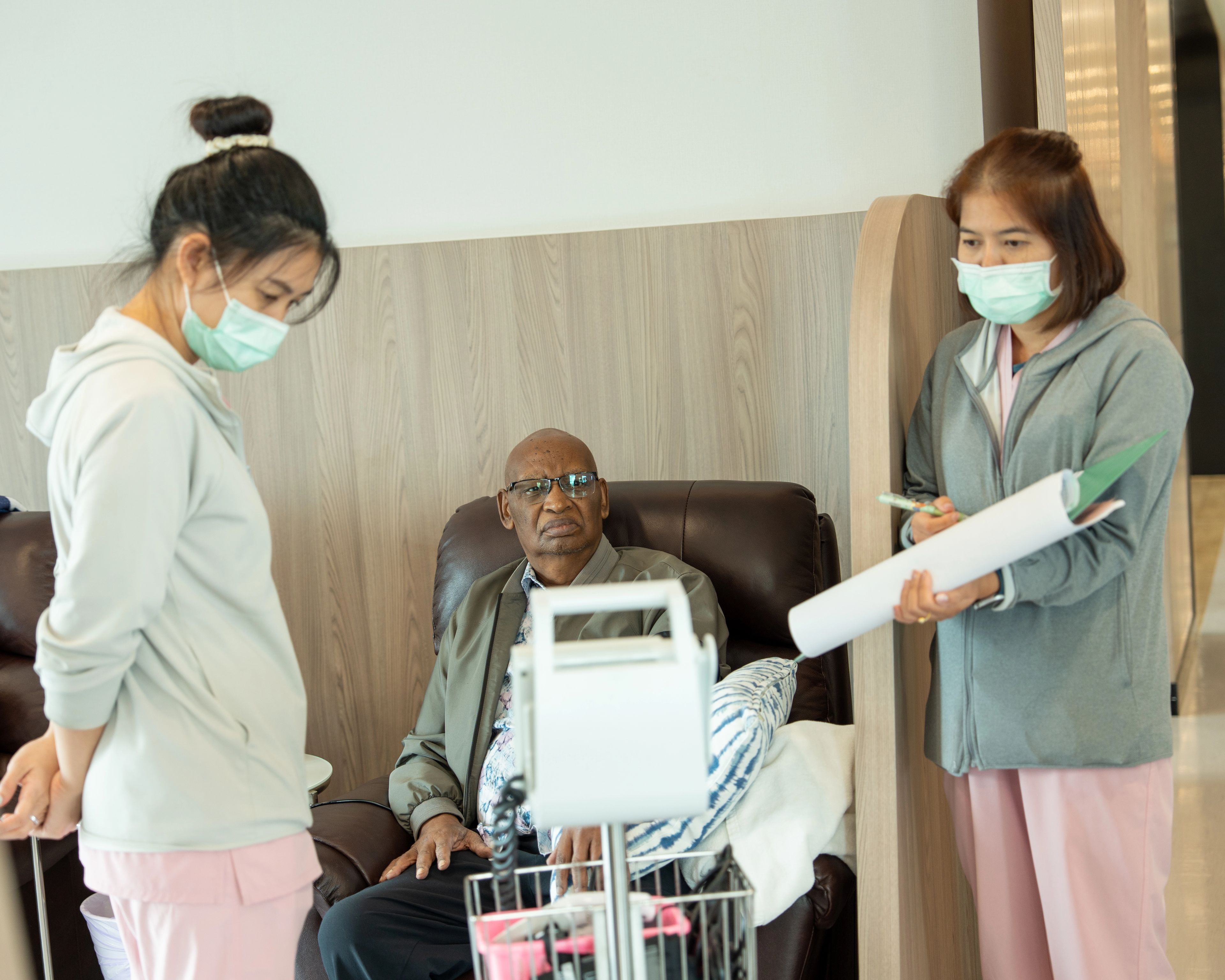
Two nurses stand checking the vitals of a patient who is seated in a black, leather, armchair.
Our care team checking on a patient, Verita Life Bangkok.

01 / Overview

About lung cancer

Also known as: non-small cell lung cancer (NSCLC), small cell lung cancer (SCLC), bronchogenic carcinoma.

We aim to support all lung cancer patients at Verita Life with a personalised, integrative care model designed around you and your individual case. Our expert team will take into consideration the patient’s specific lung cancer diagnosis, disease progression, overall health, and personal goals moving forward.

Verita Life uses a combination of conventional lung cancer treatments alongside supportive therapy options to increase the patient’s chances of successful treatment. We prioritise options that can assist with comfort, resilience, and overall quality of life as part of a broader cancer care programme.

02 / Types

Lung Cancer types

Like many cancers, lung cancer is not limited to a single type - all of which require different approaches to treatment and therapy. Some of the lung cancers we treat include:

  • Non-small cell lung cancer

    NSCLC’s are the most common form of lung cancer. About four in five lung cancers. Treated with surgery, radiation, chemotherapy, targeted therapy, or immunotherapy depending on stage and biomarkers.
  • Small cell lung cancer

    A less common form of lung cancer that can progress at a faster rate than other lung cancer types. Grows and spreads faster. Usually treated with chemotherapy and radiation rather than surgery.
  • Advanced or metastatic lung cancer

    When lung cancer has spread outside of the lungs.
  • Recurrent lung cancer

    Lung cancer that has returned after successful treatment.

03 / Symptoms

Lung Cancer symptoms

Lung cancer often causes no symptoms until it has grown, which is why many cases are found late or on a scan done for another reason. Signs and symptoms can include:

  • A cough that does not go away or gets worse over time
  • Chest discomfort or pain
  • Trouble breathing, or wheezing
  • Blood in the sputum coughed up from the lungs
  • Hoarseness
  • Loss of appetite, or weight loss for no known reason
  • Fatigue
  • Trouble swallowing, or swelling in the face or the veins in the neck

These symptoms are more often caused by something other than lung cancer. A cough or breathlessness that persists for more than three weeks should be checked.

04 / Stages

Lung Cancer stages

The stage describes the size of the tumour, whether nearby lymph nodes are involved, and whether the cancer has spread beyond the lung. Small cell lung cancer is often described more simply as limited or extensive.

Occult cancer is found in sputum but not yet visible on imaging. Stage 0 is abnormal cells in the airway lining. Stages I to III are cancers of increasing size and lymph-node involvement within the chest. Stage IV has spread to the other lung, the fluid around the lung or heart, or distant organs such as the brain, bones, or liver.

Biomarker tests on the tumour (for example EGFR, ALK, or PD-L1) now matter as much as the stage in choosing treatment.

Stages we support: Stage I, Stage II, Stage III, Stage IV, Metastatic.

05 / Conventional care

Conventional treatment

Lung cancer treatment depends on the type, the stage, the tumour’s biomarkers, and your lung function and overall health. An oncology team plans it, often combining several of the treatments below. Verita Life does not replace this care. Our therapies are designed to support it.

Surgery

Removal of the tumour with part or all of a lung, used for early-stage non-small cell lung cancer when the person is fit enough for the operation.

Radiation therapy

High-energy beams aimed at the tumour, used on its own for early cancers in people who cannot have surgery, with chemotherapy for locally advanced disease, and to relieve symptoms.

Chemotherapy

Medicines that kill fast-growing cells, the mainstay for small cell lung cancer and used before or after surgery, with radiation, or for advanced disease in non-small cell lung cancer.

Targeted therapy

Tablets that block specific changes in the cancer cells, such as EGFR or ALK mutations, for tumours that carry them.

Immunotherapy

Medicines that help the immune system recognise and attack the cancer, now standard for many advanced lung cancers and increasingly used with surgery or radiation.

Laser and photodynamic therapy

Light-based treatments used to open a blocked airway or treat very small tumours on the airway lining.

06 / Verita Life care

Your care at Verita Life

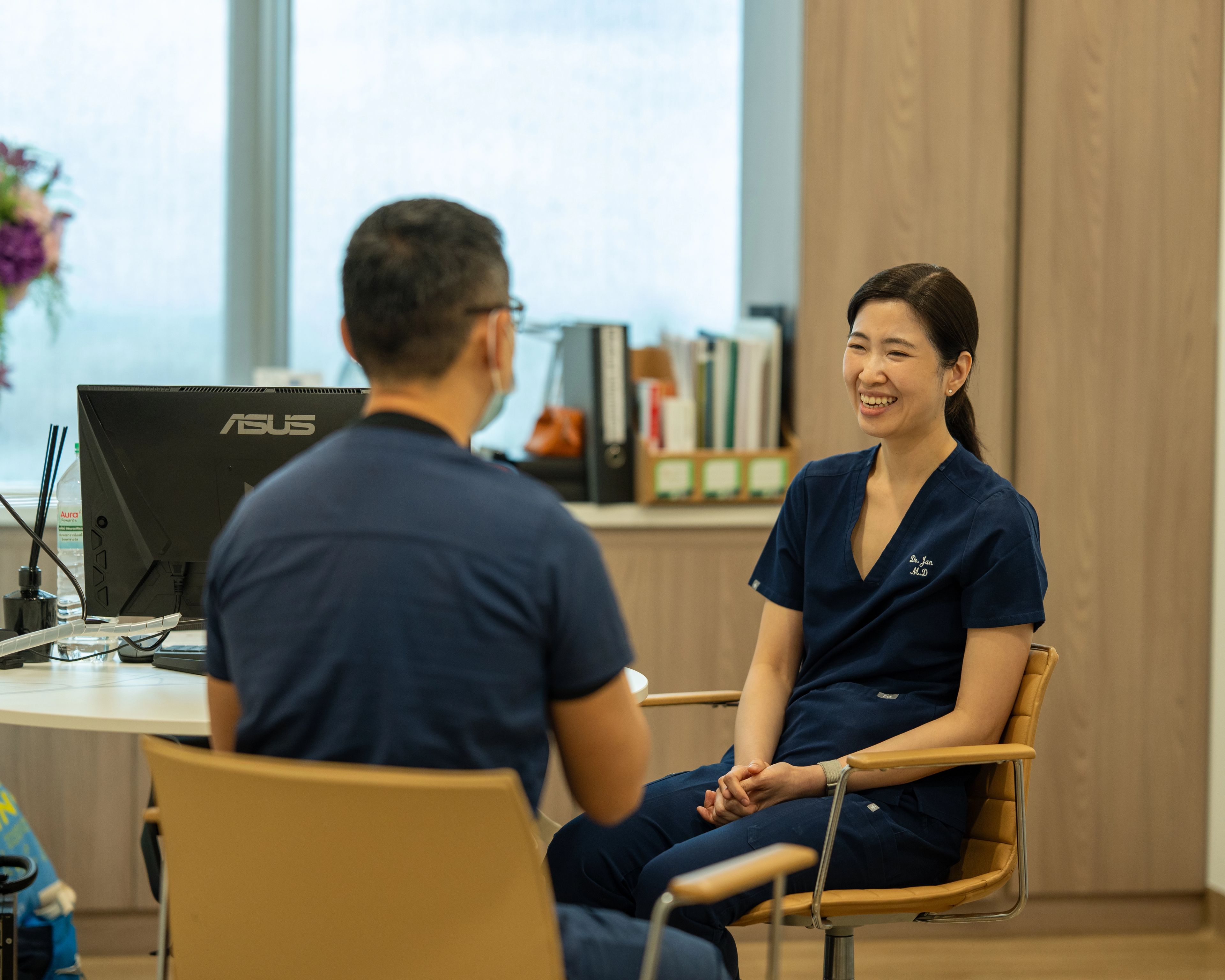
Patient sits in a black leather chair having a conversation with a medical professional in scrubs who is sitting in front of her.
Verita Life, Bangkok

Our integrative lung cancer care model

Lung cancer support from Verita Life combines intricate assessment, ongoing review, and adaptable care planning in order to ensure each programme is personalised to each patient, and adaptable throughout the treatment process.

Case by case clinical review
Our medical team will analyse each patient’s scans, pathology reports, and treatment history to determine what type of integrative oncology might be appropriate.
Ongoing monitoring and programme adjustment
At Verita Life our care plans aren’t static, instead they adapt and change with you on your treatment journey, based on patient response and changes in treatment or health status.
Focus on tolerance and daily function
Integrative care can help a lot of patients to improve tolerance to treatment, help manage fatigue and discomfort, and maintain a better quality of life throughout and following treatment.

Why patients choose Verita Life for lung cancer care

  • International cancer care standards: Our experienced medical professionals work together to provide patient-focused programmes at the highest, international standards.
  • Integrative treatment philosophy: Verita Life combines traditional and complementary therapies to support wellbeing alongside medical care.
  • Individually designed programmes: Our team will work together to create a care plan shaped around your diagnosis, health status, and personal goals.
  • Supportive clinical environment: We are here to answer any questions, help educate patients and family members about complex conditions, and provide emotional support from the very first day of treatment.
More about care at Verita Life

Verita Life supporting you through your lung cancer journey

Verita Life is a patient first clinic. Our professional teams are here to support lung cancer patients at every stage of lung cancer care - whether you have been recently diagnosed or you’re already receiving treatment and want to explore additional options.

We can help you with symptom management, recovery, immune health, alternative treatments, and overall well being, depending on your individual needs. We collaborate with patients every step of the way to ensure that you feel informed, respected, and most importantly, heard from the very first consultation.

07 / Therapies

Treatments and therapies

Treatment for lung cancer care at Verita Life

Verita Life’s integrative lung cancer treatments incorporate medically-backed traditional therapies with holistic therapies designed to complement conventional care. Our lung cancer treatments include:

Metronomic Therapy
Metronomic chemotherapy is an approach to cancer treatment in which chemotherapy is given at a lower dose, but more frequently and with shorter or no extended breaks between treatments.
Metabolic Treatment
Metabolic approaches investigate how cancer cells obtain and use energy and nutrients. Cancer cells behave very differently to healthy cells, often heavily relying on glucose and alter their metabolic pathways in order to grow more rapidly than healthy cells. This is a broad area of research, not a single established treatment or diet and at Verita Life we use metabolic approaches within our wider, personalised treatment plans.
Local Body Hyperthermia
Local body hyperthermia is a type of integrative therapy designed to work alongside both integrative oncology care and conventional cancer treatments. Local body hyperthermia is a targeted heat-based therapy that delivers controlled heat to specific areas of the body.
IPT & Low-Dose Chemotherapy
Insulin potentiation therapy, or IPT, uses insulin alongside lower doses of chemotherapy as part of an integrative cancer treatment approach.
Herbal Cancer Therapy
Following years of research, our medical team have developed specific herbal treatment protocols to address varying types of tumours. We use proven compounds that stem from all natural herbal ingredients such as curcumin, quercetin and other anti-cancer therapies.
Biological Treatment
Biological treatments are supportive regimens that can sometimes fall under immunotherapy due to their nature, and work by harnessing the body's natural immune system or targeting precise molecular pathways involved in cancer growth.
Natural Killer Cell Therapy
Natural Killer (NK) cells are a type of lymphocyte, or white blood cell, that play a major role in the immune system by targeting and killing infected cells and cancer cells.

The treatments below are used across cancer types. Which ones apply to you is decided in your consultation.

Explore treatment families

All treatments

08 / Patient stories

Patient stories

Patient story 01 / 03

09 / Questions

Questions patients ask

Does Verita Life work with patients at all stages of lung cancer?

We treat patients at every stage of their diagnosis, including those who have been recently diagnosed and those seeking additional support after treatment.

How are Verita Life’s treatment plans adapted over time?

There is no one-size-fits all approach at Verita Life, and as well as all our treatment plans being created for individual cases they are fully adaptable based on changes in the patient’s condition.

Can I have integrative care alongside ongoing lung cancer treatment?

Yes. All of our cancer programs at Verita Life are designed to fit around existing treatments. Our Doctors will give you specific advice based on your current or planned treatments as part of your initial consultations through to your aftercare program.

What kind of support is offered beyond medical therapies at Verita Life?

One of the key things we offer is around nutrition, which is important in supporting the immune system. Three meals per day (plus snacks) are provided to all patients from our on-site kitchen. We also support patients with strength, recovery and overall wellbeing as part of their overall care program. Outside of the direct care program, we also offer a wide range of support on practical and recreational topics such as arranging patient and loved ones travel, visas, accommodation, daily transport to the clinic, guidance and support on Bangkok and the surrounding areas.

10 / Sources

Sources and medical review

Medically reviewed by Dr Thapana Tangshewinsirikul (Dr Tom), Oncology Director. Last reviewed 2026-09-30.

  1. National Cancer Institute. Non-Small Cell Lung Cancer Treatment (PDQ®) – Patient Version
  2. National Cancer Institute. Small Cell Lung Cancer Treatment (PDQ®) – Patient Version
  3. World Health Organization. Lung cancer fact sheet

11 / Articles and resources

Articles and resources

Care at Verita Life

Book a free consultation

Our doctors read your diagnosis, imaging, and treatment history before anything is proposed. Nothing on this page is a substitute for your oncologist’s advice.
A Verita Life doctor in consultation
Book a consultation